Start here
Understanding the LGBTQIA2+ Community: A Comprehensive Guide
Explore the diverse identities within the LGBTQIA2+ community and learn about their history, challenges, and the importance of allyship.

The LGBTQIA2+ community represents a vibrant tapestry of identities, experiences, and histories that have evolved over time. The acronym itself stands for lesbian, gay, bisexual, transgender, questioning, intersex, asexual, and two-spirited, with the plus sign (+) indicating the inclusion of other sexual orientations and gender identities that may not be explicitly represented. This inclusivity is crucial as it acknowledges the diverse spectrum of human experience, allowing individuals to find a sense of belonging within a community that celebrates their uniqueness. Understanding the LGBTQIA2+ community requires more than just familiarity with its terminology; it involves recognizing the historical context and ongoing struggles faced by its members. From the early days of activism to the modern fight for equality, the journey has been marked by resilience and courage.
Events such as the Stonewall riots serve as pivotal moments in this history, highlighting the community's fight against oppression and discrimination. These events not only shaped public perception but also galvanized a movement that continues to advocate for rights and recognition today. As society progresses, so too does the language we use to describe gender and sexual identities. The evolution of the acronym reflects a growing understanding of the complexities surrounding identity. It is essential to approach these discussions with an open mind and a willingness to learn, as this fosters an environment where everyone can feel seen and respected.
By engaging with the LGBTQIA2+ community, individuals can gain insights into the challenges faced by its members, as well as celebrate their achievements and contributions to society.
Breaking Down the Acronym: What Each Letter Represents
The acronym LGBTQIA2+ encompasses a wide range of identities, each representing unique experiences and perspectives within the community. Understanding what each letter signifies is essential for fostering respect and inclusivity. Below is a breakdown of the components of this acronym:- L - Lesbian: This term refers to women who are attracted to other women. Lesbians may face specific societal challenges, including discrimination and stereotypes, which can impact their mental health and social acceptance.
-
G - Gay: Generally used to describe men who are attracted to other men, the term can also be used as a broad descriptor for anyone who identifies as homosexual.
The gay community has a rich history of activism and cultural contributions.
- B - Bisexual: Bisexual individuals are attracted to more than one gender. This identity can sometimes be misunderstood or invalidated, leading to the concept of "bi-erasure," where bisexuality is overlooked or dismissed.
- T - Transgender: Transgender people have a gender identity that differs from the sex they were assigned at birth. This category includes a variety of identities, such as trans men, trans women, and non-binary individuals. Understanding transgender experiences is crucial for supporting their rights and well-being.
-
Q - Queer/Questioning: The term "queer" is an umbrella term that encompasses various sexual orientations and gender identities.
It can also signify a rejection of traditional categories. "Questioning" refers to individuals who are exploring their sexual orientation or gender identity.
- I - Intersex: Intersex individuals are born with physical sex characteristics that do not fit typical definitions of male or female. This can include variations in chromosomes, gonads, or genitals. Intersex people often face medical and social challenges regarding their bodies.
-
A - Asexual: Asexuality describes individuals who experience little to no sexual attraction to others.
Asexual people may still desire romantic relationships, leading to diverse experiences within this identity.
- 2 - Two-Spirited: This term is used by some Indigenous cultures in North America to describe a person who embodies both masculine and feminine spirits. Two-Spirit individuals often hold unique cultural roles within their communities.
Each letter represents not just a label but also a story, a struggle, and a journey towards acceptance and understanding.
The Importance of Pronouns and Respecting Identity
Understanding and using correct pronouns is a fundamental aspect of respecting individuals' identities within the LGBTQIA2+ community. Pronouns are not merely grammatical tools; they are deeply tied to a person's sense of self and how they wish to be perceived by the world. When someone identifies with a specific set of pronouns, such as he/him, she/her, or they/them, it reflects their gender identity and personal experience.The Importance of Using Correct Pronouns
- Validation of Identity: Using the correct pronouns affirms an individual's identity. It shows that you recognize and respect their self-identification, which can significantly enhance their mental well-being.
-
Building Trust: When people feel seen and respected through the use of their correct pronouns, it fosters trust in relationships.
This trust is essential for creating supportive environments, whether in personal relationships, workplaces, or educational settings.
- Reducing Mental Health Struggles: Misgendering—referring to someone using incorrect pronouns—can lead to feelings of invalidation and distress. Studies have shown that consistent use of correct pronouns can reduce anxiety and depression among LGBTQIA2+ individuals.
Common Misconceptions About Pronouns
- "Pronouns are just a trend": Some may view the emphasis on pronouns as a passing trend. However, for many individuals, this is a crucial aspect of their identity that has existed long before current discussions gained visibility.
- "It’s too difficult to remember": While it may take time to adjust to using new pronouns, making an effort demonstrates respect. It’s important to practice and ask for clarification when needed rather than dismissing someone's identity as inconvenient.
-
"Using they/them is confusing": The use of singular "they" has been part of the English language for centuries.
Many people use it comfortably, and understanding its application can help normalize diverse gender identities.
Historical Context: Key Events in LGBTQIA2+ History
The history of the LGBTQIA2+ community is rich and complex, marked by significant events that have shaped the struggle for rights and recognition. Understanding these pivotal moments is crucial for appreciating the resilience and achievements of the community. One of the most defining events in LGBTQIA2+ history is the Stonewall Riots , which took place in June 1969 at the Stonewall Inn in New York City. This establishment was a popular gathering place for members of the LGBTQIA2+ community, particularly for gay men and transgender individuals. , which took place in June 1969 at the Stonewall Inn in New York City. This establishment was a popular gathering place for members of the LGBTQIA2+ community, particularly for gay men and transgender individuals.On June 28, police conducted a raid on the bar, which was a common occurrence at the time due to discriminatory laws against homosexuality. However, this time, patrons fought back, leading to several days of protests and clashes with law enforcement. The Stonewall Riots are often credited with igniting the modern LGBTQIA2+ rights movement. In the aftermath, activists began organizing more formally, leading to the formation of groups such as the Gay Liberation Front and later, organizations focused on specific issues like health and legal rights. The first Pride marches were held in 1970 to commemorate the anniversary of Stonewall, marking a shift towards visibility and activism. Another significant milestone occurred in 1981 with the emergence of the AIDS crisis.
Initially met with stigma and fear, this health crisis galvanized the LGBTQIA2+ community to advocate for research, treatment, and awareness. Organizations like ACT UP (AIDS Coalition to Unleash Power) played a crucial role in demanding government action and healthcare access for those affected by HIV/AIDS. In more recent history, the legalization of same-sex marriage in various countries has marked a significant achievement for LGBTQIA2+ rights. In 2015, the United States Supreme Court ruling in Obergefell v. Hodges affirmed that same-sex couples have the constitutional right to marry, representing a monumental victory for equality. These events are just a few highlights in a long history of struggle and triumph within the LGBTQIA2+ community.
Each moment has contributed to a broader understanding of gender identity and sexual orientation, fostering an environment where acceptance continues to grow. Recognizing these historical contexts not only honors those who fought for rights but also inspires future generations to continue advocating for equality.
Challenges Faced by the LGBTQIA2+ Community Today
The LGBTQIA2+ community continues to face a myriad of challenges that impact their daily lives and overall well-being. Despite significant progress in recent years, many individuals still encounter discrimination , legal hurdles, and mental health issues that can hinder their ability to live authentically and safely.Discrimination
remains a pervasive issue for many in the LGBTQIA2+ community. This can manifest in various forms, including workplace discrimination, housing instability, and denial of services.
For instance, studies have shown that LGBTQIA2+ individuals are more likely to experience job loss or harassment due to their sexual orientation or gender identity. This not only affects their financial stability but also contributes to a sense of isolation and fear. Legal protections for LGBTQIA2+ individuals vary significantly across different regions. In some areas, laws exist to protect against discrimination based on sexual orientation or gender identity; however, in many places, such protections are either limited or nonexistent. This inconsistency creates a patchwork of rights that can leave individuals vulnerable to discrimination and violence.
Advocacy for comprehensive anti-discrimination laws is crucial in addressing these disparities. Mental health is another critical area where the LGBTQIA2+ community faces challenges. The stigma associated with being part of this community can lead to higher rates of anxiety, depression, and suicidal ideation compared to their heterosexual and cisgender counterparts. Factors such as societal rejection, family disapproval, and internalized homophobia contribute to these mental health struggles. Access to affirming mental health resources is essential for supporting the well-being of LGBTQIA2+ individuals. Moreover, the ongoing debates surrounding LGBTQIA2+ rights often lead to increased visibility but can also result in backlash and hostility.
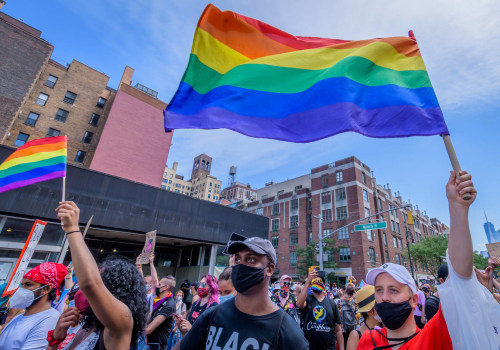
Events such as Pride parades celebrate diversity but can also attract protests from those opposed to LGBTQIA2+ rights. This tension highlights the need for continued advocacy and education to foster understanding and acceptance. In conclusion, while there have been advancements in the fight for equality, the challenges faced by the LGBTQIA2+ community today are significant and multifaceted. Addressing discrimination, advocating for legal protections, and prioritizing mental health support are essential steps toward creating a more inclusive society where all individuals can thrive.
The Role of Allies in Supporting the LGBTQIA2+ Community
Being an ally to the LGBTQIA2+ community is a vital role that can significantly impact the lives of individuals within this diverse group. Allies are those who may not identify as part of the LGBTQIA2+ community but actively support and advocate for its rights and acceptance.Their involvement is crucial in fostering an inclusive society where everyone feels valued and respected.
Understanding Allyship
Allyship goes beyond mere tolerance; it requires a commitment to understanding the challenges faced by LGBTQIA2+ individuals and taking action to address these issues. This can include:
- Listening and Learning: Allies should educate themselves about the history, struggles, and terminology associated with the LGBTQIA2+ community. This knowledge helps in understanding the nuances of different identities and experiences.
- Advocating for Rights: Supporting policies and legislation that protect LGBTQIA2+ rights is essential. Allies can participate in campaigns, sign petitions, or contact their representatives to voice support for equality.
-
Creating Safe Spaces: Allies can help create environments where LGBTQIA2+ individuals feel safe to express themselves without fear of discrimination or harassment.
This can be achieved in workplaces, schools, and social settings.
- Challenging Discrimination: When witnessing acts of discrimination or prejudice, allies should speak up. This could mean confronting inappropriate jokes or comments or standing in solidarity with those being targeted.
The Importance of Visibility
Visibility is a powerful tool in allyship. By openly supporting LGBTQIA2+ rights, allies can help normalize conversations around gender identity and sexual orientation. This visibility can encourage others to join the movement, creating a ripple effect that promotes acceptance.
Personal Actions Matter
Every action counts when it comes to supporting the LGBTQIA2+ community.
Simple gestures such as using correct pronouns, attending pride events, or sharing educational resources on social media can make a significant difference. These actions not only show support but also help raise awareness among peers. In conclusion, being an effective ally involves continuous learning, advocacy, and personal commitment. By standing alongside the LGBTQIA2+ community, allies play a crucial role in promoting equality and fostering a more inclusive society for all.
Conclusion: Embracing Diversity and Inclusion
In conclusion, the journey towards understanding and embracing the LGBTQIA2+ community is not just a personal endeavor but a collective responsibility that fosters a more inclusive society. Throughout this guide, we have explored the rich tapestry of identities that make up this vibrant community, highlighting the importance of recognizing and respecting each individual's unique experience. The significance of diversity within the LGBTQIA2+ community cannot be overstated.Each identity—whether it be lesbian, gay, bisexual, transgender, questioning, intersex, asexual, or two-spirited—contributes to a broader understanding of human experience. This diversity enriches our culture and promotes empathy and acceptance among all individuals. By embracing these differences, we not only validate the experiences of those within the community but also challenge societal norms that often marginalize them. Moreover, inclusion is a powerful tool for change. When we actively work to create spaces where everyone feels safe and valued, we pave the way for open dialogue and mutual respect.
This can be achieved through:
- Education: Learning about the various identities within the LGBTQIA2+ spectrum helps dismantle stereotypes and misconceptions.
- Advocacy: Supporting policies and organizations that promote equality ensures that the rights of all individuals are protected.
- Community Engagement: Participating in local events and initiatives fosters connections and solidarity among diverse groups.