Start here
Understanding LGBTQIA2S+: A Comprehensive Guide to Identity and History
Explore the meaning of LGBTQIA2S+, its history, and how to support diverse identities within the community.
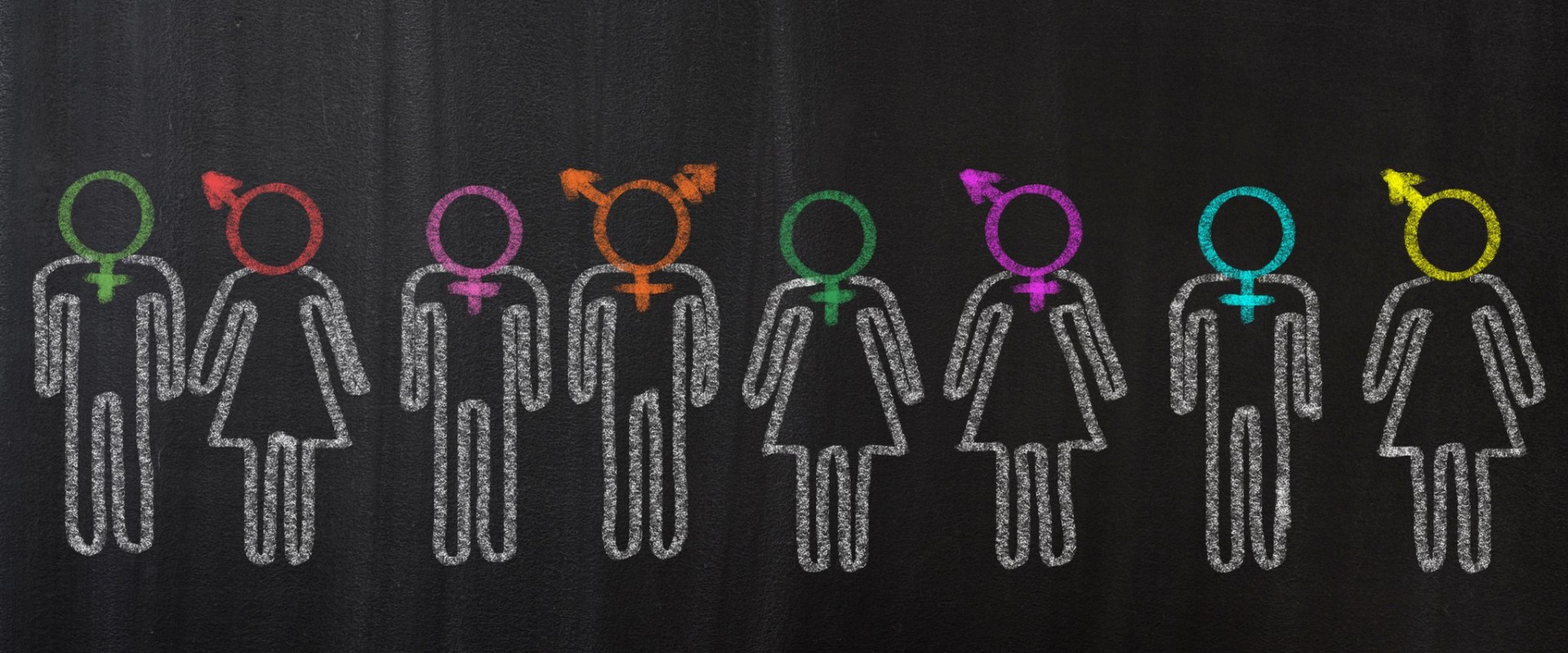
The acronym LGBTQIA2S+ represents a diverse spectrum of identities and orientations, encompassing individuals who identify as lesbian , gay , bisexual , transgender , questioning , intersex , asexual , and two-spirit. This inclusive term not only highlights the rich tapestry of human experience but also serves as a vital reminder of the ongoing struggle for recognition and equality faced by these communities. Understanding the meaning behind each component of this acronym is essential for fostering respect, empathy, and support for individuals who identify within these categories. The importance of the LGBTQIA2S+ acronym extends beyond mere representation; it signifies a collective identity that has emerged from decades of activism, resilience, and advocacy. Each letter in the acronym represents unique experiences and challenges, reflecting the complexities of gender and sexual diversity.
For instance, while the term two-spirit acknowledges Indigenous cultures' unique perspectives on gender and sexuality, intersex individuals face distinct medical and social challenges that require awareness and understanding. By familiarizing ourselves with these identities, we can contribute to a more inclusive society that values every individual. Moreover, recognizing the significance of LGBTQIA2S+ identities is crucial in combating discrimination and promoting equality. As society evolves, so does the language we use to describe these identities. Staying informed about these changes not only helps in creating a supportive environment but also empowers individuals to express their authentic selves without fear of judgment or persecution.
In this guide, we will delve deeper into each component of the LGBTQIA2S+ acronym, exploring their meanings, histories, and the importance of advocacy within each community.
Breaking Down the Acronym: What Each Letter Represents
The acronym LGBTQIA2S+ is a vital representation of diverse identities within the community. Each letter signifies a unique group, contributing to a broader understanding of sexual orientation and gender identity. Here’s a detailed breakdown of what each letter represents:- L - Lesbian: This term refers to women who are attracted to other women. Lesbians have historically faced discrimination and marginalization, but they have also played a significant role in LGBTQIA2S+ activism and culture.
-
G - Gay: While often used to describe men attracted to other men, the term can also encompass individuals of any gender who are attracted to the same sex.
The gay community has been at the forefront of many LGBTQIA2S+ rights movements.
- B - Bisexual: Bisexual individuals are attracted to more than one gender. This identity challenges the binary understanding of sexuality and highlights the fluidity of attraction.
- T - Transgender: Transgender people have a gender identity that differs from the sex they were assigned at birth. This category includes a wide range of identities, including trans men, trans women, and non-binary individuals.
- Q - Questioning: This term refers to individuals who are exploring their sexual orientation or gender identity. It acknowledges that understanding one’s identity can be a journey filled with uncertainty.
-
I - Intersex: Intersex individuals are born with physical sex characteristics that do not fit typical definitions of male or female.
This can include variations in chromosomes, gonads, or genitals, and intersex people may identify as any gender.
- A - Asexual: Asexuality describes individuals who experience little or no sexual attraction to others. Asexual people may still desire romantic relationships, highlighting the diversity within sexual orientations.
- 2S - Two-Spirit: This term is used by some Indigenous cultures in North America to describe a person who embodies both masculine and feminine spirits. Two-Spirit individuals often hold unique cultural roles within their communities.
The Evolution of Language in LGBTQIA2S+ Communities
The language surrounding gender identities and sexual orientations has undergone significant transformation over the years, reflecting the evolving understanding of human diversity.This evolution is not merely a matter of semantics; it plays a crucial role in fostering respect, acceptance, and visibility for individuals within the LGBTQIA2S+ community. Historically, many terms used to describe sexual orientation and gender identity were often rooted in stigma and misunderstanding. For instance, the term "homosexual" was frequently used in clinical contexts but carried negative connotations that contributed to discrimination. As society progressed, more affirming language emerged, such as "gay" and "lesbian," which many individuals embraced as part of their identity. In recent decades, the expansion of the LGBTQIA2S+ acronym itself illustrates this linguistic evolution. Originally, the community was primarily represented by the letters LGB (lesbian, gay, bisexual).
However, as awareness grew regarding the complexities of gender and sexuality, additional letters were added: T for transgender, Q for questioning or queer, I for intersex, A for asexual, and 2S for two-spirit. Each addition signifies a broader recognition of diverse identities that exist beyond traditional binaries. Moreover, terminology continues to adapt as new understandings emerge. For example, the term "non-binary" has gained traction among those who do not identify strictly as male or female. This shift highlights the importance of using language that resonates with individuals' lived experiences.
It is essential to listen to how people choose to identify themselves and to respect their preferred terms. Using current and respectful terminology is vital for several reasons:
- Affirmation: Using correct terms validates individuals' identities and experiences.
- Visibility: Language shapes societal perceptions; inclusive terminology helps increase visibility for marginalized groups.
- Support: Employing appropriate language fosters an environment of support and understanding within communities.
Historical Context: The Fight for LGBTQIA2S+ Rights
The journey toward LGBTQIA2S+ rights has been marked by significant milestones, each contributing to the broader narrative of acceptance and equality.Understanding this history is crucial for appreciating the struggles and triumphs of the community. One of the most pivotal events in this history is the Stonewall riots , which took place in June 1969 at the Stonewall Inn in Manhattan, New York City. This establishment was a popular gathering place for members of the LGBTQIA2S+ community, particularly during a time when societal norms were largely hostile towards non-heteronormative identities. The riots were sparked by a police raid on June 28, which was not uncommon at the time, as law enforcement frequently targeted LGBTQIA2S+ spaces. However, on that fateful night, patrons of the Stonewall Inn decided to resist. What began as a routine police action escalated into a series of protests that lasted for several days. , which took place in June 1969 at the Stonewall Inn in Manhattan, New York City. This establishment was a popular gathering place for members of the LGBTQIA2S+ community, particularly during a time when societal norms were largely hostile towards non-heteronormative identities. The riots were sparked by a police raid on June 28, which was not uncommon at the time, as law enforcement frequently targeted LGBTQIA2S+ spaces. However, on that fateful night, patrons of the Stonewall Inn decided to resist. What began as a routine police action escalated into a series of protests that lasted for several days.
This uprising is often credited with igniting the modern LGBTQIA2S+ rights movement, as it galvanized individuals to stand up against systemic oppression and demand their rights. Importantly, the Stonewall riots were not solely led by white individuals; they were significantly influenced by BIPOC (Black, Indigenous, and People of Color) activists. Figures such as Marsha P. Johnson , a Black transgender woman, and Stormé DeLarverie , a butch lesbian, played crucial roles in the resistance. Their leadership highlighted the intersectionality within the movement and underscored that the fight for LGBTQIA2S+ rights was also a fight against racial injustice. In the aftermath of Stonewall, numerous organizations emerged to advocate for LGBTQIA2S+ rights.
Groups like the Gay Liberation Front and later the Human Rights Campaign sought to address issues ranging from legal discrimination to healthcare access. These organizations have been instrumental in pushing for legislative changes that protect LGBTQIA2S+ individuals from discrimination based on sexual orientation and gender identity. The legacy of Stonewall continues to resonate today, serving as a reminder of the ongoing struggle for equality. Each year, Pride Month commemorates this historic event, celebrating both progress made and challenges that remain. Understanding this historical context is essential for anyone looking to support or engage with the LGBTQIA2S+ community meaningfully.
The Role of Community Organizations in Supporting LGBTQIA2S+ Individuals
Community organizations play a vital role in supporting individuals who identify as part of the LGBTQIA2S+ spectrum.These organizations provide essential resources, advocacy, and safe spaces for individuals to express their identities without fear of discrimination or violence. By fostering a sense of belonging, these groups help to combat the isolation that many LGBTQIA2S+ individuals experience. One prominent organization is the Human Rights Campaign (HRC) , which focuses on advocating for equal rights for LGBTQIA2S+ individuals across the United States. The HRC works on various fronts, including legislative advocacy, public education, and community outreach. Their efforts aim to create a world where LGBTQIA2S+ people can live openly and authentically. Another significant organization is The Trevor Project , which provides crisis intervention and suicide prevention services specifically for LGBTQIA2S+ youth.
Through a 24/7 hotline, online chat, and text messaging services, The Trevor Project offers immediate support to those in crisis. Their mission emphasizes the importance of mental health and well-being within the community. Local organizations also play a crucial role in providing tailored support. For instance, PFLAG (Parents, Families, and Friends of Lesbians and Gays) focuses on fostering understanding and acceptance among families of LGBTQIA2S+ individuals. By offering resources and support groups, PFLAG helps families navigate their loved ones' experiences and promotes inclusivity. Moreover, organizations like GLAAD work to promote positive representation of LGBTQIA2S+ individuals in media and culture.
By challenging stereotypes and advocating for fair coverage, GLAAD helps to shape public perception and foster acceptance. The importance of these organizations cannot be overstated. They not only provide critical resources but also create networks of support that empower individuals to embrace their identities. In a world where acceptance can be hard to find, community organizations serve as beacons of hope and resilience for LGBTQIA2S+ individuals. In conclusion, the role of community organizations in supporting the LGBTQIA2S+ community is multifaceted and essential. From advocacy to mental health support, these organizations are instrumental in fostering an environment where all individuals can thrive.
Challenges Faced by the LGBTQIA2S+ Community Today
The LGBTQIA2S+ community continues to face a myriad of challenges that impact their daily lives and overall well-being.Despite significant progress in recent years, discrimination remains a pervasive issue, affecting individuals in various aspects of life, including employment, healthcare, and social interactions.
Discrimination in Employment
Many LGBTQIA2S+ individuals encounter bias when seeking employment or promotions. Studies have shown that a significant percentage of LGBTQIA2S+ people have experienced discrimination in the workplace due to their sexual orientation or gender identity. This can lead to job insecurity and financial instability, further exacerbating mental health issues.
Healthcare Disparities
Access to healthcare is another critical challenge. LGBTQIA2S+ individuals often face discrimination from healthcare providers, which can deter them from seeking necessary medical care.
This is particularly concerning for transgender individuals who may require gender-affirming treatments. Additionally, mental health services are crucial for this community, yet stigma and lack of understanding among providers can hinder access to appropriate care.
Mental Health Issues
The mental health of LGBTQIA2S+ individuals is significantly impacted by societal stigma and discrimination. High rates of anxiety, depression, and suicidal ideation are reported within the community. Factors such as rejection from family, bullying in schools, and societal marginalization contribute to these mental health challenges.
Support systems, including community organizations and peer networks, play a vital role in providing the necessary resources and emotional support.
Societal Acceptance
While there has been progress in societal acceptance of LGBTQIA2S+ individuals, many still face hostility and prejudice. Hate crimes against LGBTQIA2S+ people remain alarmingly high, particularly targeting transgender women of color. This violence not only affects the victims but also instills fear within the community as a whole.
Advocacy and education are essential in addressing these challenges. By raising awareness about the issues faced by the LGBTQIA2S+ community, society can work towards creating a more inclusive environment where everyone is respected and valued regardless of their sexual orientation or gender identity.
How to Be an Ally to the LGBTQIA2S+ Community
Being an ally to the LGBTQIA2S+ community is a vital role that requires commitment, understanding, and action.Allies can significantly impact the lives of LGBTQIA2S+ individuals by providing support, advocating for rights, and fostering an inclusive environment. Here are some practical tips on how to be an effective ally:
- Educate Yourself: Understanding the diverse identities within the LGBTQIA2S+ spectrum is crucial. Take the time to learn about the different sexual orientations and gender identities represented in the acronym. Resources such as books, documentaries, and reputable websites can provide valuable insights.
-
Listen and Learn: Engage in conversations with LGBTQIA2S+ individuals and listen to their experiences.
Each person's journey is unique, and listening without judgment can help you understand their challenges and triumphs.
- Use Inclusive Language: Language matters. Be mindful of the terms you use when discussing gender and sexuality. Avoid assumptions about someone's identity based on their appearance or behavior. Instead, ask for pronouns and respect them.
-
Stand Up Against Discrimination: If you witness discrimination or harassment against LGBTQIA2S+ individuals, speak up.
Whether it’s in your workplace, school, or social settings, addressing harmful behavior helps create a safer environment for everyone.
- Support LGBTQIA2S+ Organizations: Contribute your time or resources to organizations that advocate for LGBTQIA2S+ rights. Volunteering or donating can help these organizations continue their important work in promoting equality and acceptance.
- Participate in Pride Events: Show your support by attending Pride parades and events. These gatherings celebrate diversity and promote visibility for the LGBTQIA2S+ community. Your presence can demonstrate solidarity and encourage others to join the cause.
-
Advocate for Policy Changes: Stay informed about local and national policies affecting LGBTQIA2S+ rights.
Advocate for legislation that protects against discrimination in housing, employment, healthcare, and education.
Frequently Asked Questions about LGBTQIA2S+
Understanding the LGBTQIA2S+ community can be challenging, especially with the evolving language and diverse identities involved. Here are some frequently asked questions that aim to clarify common misconceptions and provide insight into this vibrant community.What does LGBTQIA2S+ stand for?
The acronym LGBTQIA2S+ encompasses a variety of sexual orientations and gender identities:- L esbian
- G ay
- B isexual
- T ransgender
- Q uestioning
- I ntersex
- A)sexual
- 2S pirit (referring to Indigenous cultures that recognize two-spirit individuals)
- + signifies other sexual orientations and gender identities not specifically covered by the acronym.
Why is the '+' sign important?
The + in LGBTQIA2S+ is crucial as it acknowledges the existence of numerous other identities that may not be explicitly represented in the acronym. This includes identities such as pansexual, genderqueer, non-binary, and more.It emphasizes inclusivity and recognizes that language is fluid, adapting to better represent the community.
What does it mean to be two-spirit?
The term two-spirit is used by some Indigenous cultures in North America to describe a person who embodies both masculine and feminine spirits. This identity is deeply rooted in cultural traditions and varies among different tribes. It is important to respect the unique meanings and significance of this term within Indigenous communities.How can I support LGBTQIA2S+ individuals?
Supporting LGBTQIA2S+ individuals involves several actions:- Educate yourself: Learn about different identities and the challenges faced by the community.
- Use inclusive language: Respect people's chosen names and pronouns.
- Advocate for rights: Support policies that promote equality and fight against discrimination.
- Create safe spaces: Foster environments where individuals feel accepted and valued.
Conclusion: The Importance of Understanding and Supporting LGBTQIA2S+ Identities
In conclusion, understanding and supporting the diverse identities within the LGBTQIA2S+ community is not just a matter of social awareness; it is a fundamental aspect of fostering an inclusive society. The acronym itself—representing lesbian, gay, bisexual, transgender, questioning, intersex, asexual, and two-spirit individuals—encapsulates a wide spectrum of experiences and identities that deserve recognition and respect. Throughout this guide, we have explored the significance of each component of the LGBTQIA2S+ acronym.Each identity brings its own unique challenges and triumphs, contributing to the rich tapestry of human experience. By acknowledging these differences, we can better understand the complexities of gender and sexuality, which are often misunderstood or oversimplified. Moreover, the historical context surrounding the LGBTQIA2S+ movement highlights the struggles faced by individuals in this community. From the Stonewall riots to contemporary advocacy efforts, it is clear that progress has been made, yet much work remains. Recognizing the contributions of trailblazers—especially those from marginalized backgrounds—reminds us that the fight for equality is ongoing. Support for LGBTQIA2S+ individuals extends beyond mere acknowledgment; it requires active engagement.
Here are some ways to show support:
- Educate Yourself: Take the time to learn about different identities and experiences within the community.
- Advocate: Use your voice to support policies and initiatives that promote equality and protect against discrimination.
- Create Safe Spaces: Foster environments where individuals can express their identities without fear of judgment or backlash.
- Listen: Engage in conversations with LGBTQIA2S+ individuals to understand their experiences and perspectives.