Start here
Creating a Safe and Inclusive Environment: Strategies to Reduce Hate Crimes Against LGBTQIA2S Individuals
Explore strategies to create a safe and inclusive environment for LGBTQIA2S individuals and reduce hate crimes in your community.
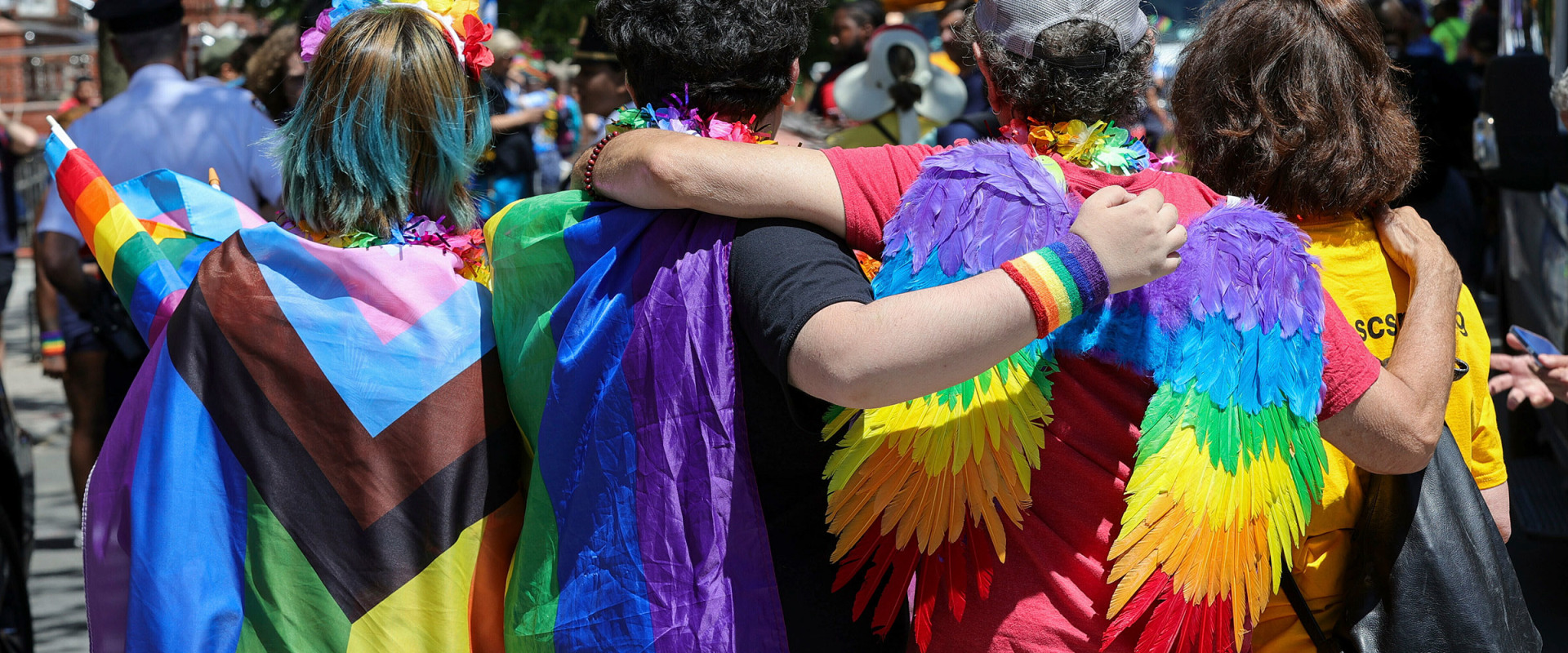
Hate crimes against Hate crimes against LGBTQIA2S individuals represent a profound violation of human rights and dignity, manifesting in various forms of violence and discrimination. These crimes are not merely isolated incidents; they reflect a broader societal issue rooted in prejudice and intolerance. According to the FBI's Hate Crime Statistics report, individuals identifying as LGBTQIA2S are disproportionately targeted, with a significant percentage of hate crimes motivated by sexual orientation and gender identity. This alarming trend underscores the urgent need for communities to understand the dynamics of hate crimes and their devastating impact. The consequences of hate crimes extend far beyond the immediate physical harm inflicted on victims.
They create an atmosphere of fear and anxiety within the LGBTQIA2S community, leading to social isolation and mental health challenges. Victims often experience long-lasting psychological effects, including depression, anxiety, and post-traumatic stress disorder (PTSD). Furthermore, these crimes can deter individuals from expressing their identities openly, stifling their ability to participate fully in society. The ripple effects of such violence can erode community trust and cohesion, making it imperative for all members of society to engage in proactive measures against hate. Understanding the motivations behind hate crimes is crucial for effective prevention.
Many perpetrators are driven by deeply ingrained biases and stereotypes that dehumanize LGBTQIA2S individuals. Education plays a pivotal role in dismantling these harmful beliefs. By fostering awareness and empathy through community programs, workshops, and open dialogues, we can challenge the narratives that fuel hate. It is essential for allies to stand in solidarity with marginalized groups, amplifying their voices and advocating for justice. In summary, addressing hate crimes against LGBTQIA2S individuals requires a comprehensive understanding of the issue's scope and impact.
By recognizing the severity of these crimes and their effects on both victims and communities at large, we can begin to cultivate a safer, more inclusive environment for everyone. This foundational knowledge sets the stage for actionable steps that can be taken to combat hate and promote acceptance.
The Importance of Community Involvement
Community involvement plays a pivotal role in combating hate crimes against lgbtqia2s individuals. When members of a community come together, they create a powerful network of support that can significantly reduce the prevalence of hate and discrimination. This collective effort not only fosters a sense of belonging but also empowers individuals to stand up against injustice. Local organizations serve as the backbone of community action.These groups often provide essential resources, such as educational programs, counseling services, and advocacy initiatives aimed at raising awareness about the challenges faced by lgbtqia2s individuals. By partnering with these organizations, community members can amplify their voices and work towards creating a more inclusive environment. Schools also play a crucial role in this endeavor. Educational institutions can implement anti-bullying policies and diversity training that specifically address the needs of lgbtqia2s students. By fostering an atmosphere of acceptance and understanding, schools can help to dismantle stereotypes and reduce instances of hate crimes.
Programs that promote allyship among students can encourage them to support their peers and speak out against discrimination. Faith-based organizations are another vital component in the fight against hate crimes. Many religious communities are beginning to embrace inclusivity, offering safe spaces for lgbtqia2s individuals to worship and connect with others. These organizations can also serve as platforms for dialogue, helping to bridge gaps between different community members and fostering understanding through shared values. Moreover, community action is most effective when it is collaborative. By bringing together local organizations, schools, faith groups, and residents, communities can create comprehensive support systems that address the root causes of hate crimes.
Initiatives such as community forums, workshops, and awareness campaigns can educate residents about the importance of inclusivity and the impact of hate crimes on lgbtqia2s individuals. In conclusion, active participation from all sectors of the community is essential in reducing hate crimes against lgbtqia2s. By working together, local organizations, schools, and faith-based groups can create a supportive environment that not only protects vulnerable individuals but also promotes a culture of respect and acceptance for all.
Creating Safe Spaces for LGBTQIA2S Individuals
Creating safe spaces for LGBTQIA2S individuals is crucial in fostering an environment where everyone can thrive without fear of discrimination or violence. A safe space is not merely a physical location; it embodies a culture of acceptance, understanding, and support. To effectively establish these environments, several key components must be considered. Creating safe spaces for LGBTQIA2S individuals is crucial in fostering an environment where everyone can thrive without fear of discrimination or violence. A safe space is not merely a physical location; it embodies a culture of acceptance, understanding, and support. To effectively establish these environments, several key components must be considered. is crucial in fostering an environment where everyone can thrive without fear of discrimination or violence. A safe space is not merely a physical location; it embodies a culture of acceptance, understanding, and support. To effectively establish these environments, several key components must be considered. Creating safe spaces for LGBTQIA2S individuals is crucial in fostering an environment where everyone can thrive without fear of discrimination or violence. A safe space is not merely a physical location; it embodies a culture of acceptance, understanding, and support. To effectively establish these environments, several key components must be considered.Understanding Safe Spaces
A safe space is characterized by its commitment to inclusivity and respect for all identities.
It should be a place where LGBTQIA2S individuals feel secure to express themselves freely, share their experiences, and seek support without judgment. This can be achieved through:
- Clear Policies: Establishing anti-discrimination policies that explicitly protect LGBTQIA2S individuals is essential. These policies should be communicated clearly to all members of the community.
- Training and Education: Providing training for staff and community members on LGBTQIA2S issues can help foster empathy and understanding. Workshops that address topics such as gender identity, sexual orientation, and the impact of hate crimes can be particularly beneficial.
- Visible Support: Displaying symbols of support, such as rainbow flags or inclusive signage, can signal to LGBTQIA2S individuals that they are welcome and valued in the space.
Support Services
In addition to creating a welcoming atmosphere, offering support services is vital in ensuring the well-being of LGBTQIA2S individuals.
These services can include:
- Counseling: Access to mental health professionals who are trained in LGBTQIA2S issues can provide essential support. Counseling services should be sensitive to the unique challenges faced by this community, including experiences of discrimination and trauma.
- Legal Assistance: Many LGBTQIA2S individuals may face legal challenges related to discrimination, housing, or family law. Providing access to legal resources can empower individuals to advocate for their rights and seek justice when necessary.
- Community Resources: Connecting individuals with local organizations that specialize in LGBTQIA2S advocacy can enhance their support network. These organizations often provide additional resources such as housing assistance, healthcare services, and social activities.
Encouraging Open Dialogue
A critical aspect of creating safe spaces is fostering an environment where open dialogue is encouraged.
This means actively inviting feedback from LGBTQIA2S individuals about their experiences and needs within the community. Regular forums or discussion groups can serve as platforms for sharing concerns and suggestions for improvement. By prioritizing the establishment of safe spaces through comprehensive policies, support services, and open communication, communities can significantly reduce the risk of hate crimes against LGBTQIA2S individuals. This proactive approach not only protects vulnerable populations but also enriches the community as a whole by promoting diversity and inclusion.
Education and Awareness Campaigns
Education plays a pivotal role in combating hate crimes against LGBTQIA2S individuals. By fostering understanding and empathy within communities, we can create a more inclusive environment that discourages discrimination and violence.Public awareness campaigns serve as a powerful tool to inform the general populace about the challenges faced by LGBTQIA2S individuals and the importance of acceptance.
Public Awareness Campaigns
- Visibility Matters: Campaigns that highlight the stories and experiences of LGBTQIA2S individuals can humanize the issues at hand. This can include social media initiatives, billboards, and community events that showcase personal narratives, helping to break down stereotypes and misconceptions.
- Collaborative Efforts: Partnering with local businesses, schools, and organizations can amplify the reach of awareness campaigns. For instance, a local coffee shop might host an art exhibit featuring LGBTQIA2S artists, while schools could organize assemblies focused on inclusivity.
- Utilizing Technology: Digital platforms provide an excellent avenue for spreading awareness. Online webinars, podcasts, and interactive social media campaigns can engage younger audiences effectively, making the information accessible and relatable.
Educational Workshops
Workshops are another effective method for educating community members about LGBTQIA2S issues.
These sessions can cover a range of topics, including:
- Understanding Gender Identity and Sexual Orientation: Workshops that explain the spectrum of gender identities and sexual orientations can help dispel myths and foster acceptance.
- Bystander Intervention Training: Teaching community members how to safely intervene when they witness acts of discrimination or harassment can empower them to take action.
- Cultural Competency Training: Providing training for local law enforcement, educators, and healthcare providers ensures that they are equipped to support LGBTQIA2S individuals effectively.
Encouraging Reporting and Accountability
Encouraging individuals to report hate crimes is a crucial step in fostering a safe and inclusive environment for LGBTQIA2S individuals. Many victims of hate crimes hesitate to come forward due to fear of retaliation, lack of trust in law enforcement, or feelings of isolation.To combat these barriers, communities must create a culture that not only supports victims but also actively encourages them to report incidents.
Building Trust with Law Enforcement
One of the most effective ways to encourage reporting is through the establishment of strong relationships between LGBTQIA2S communities and law enforcement agencies. This can be achieved by:
- Training Law Enforcement: Providing comprehensive training for police officers on LGBTQIA2S issues can help them understand the unique challenges faced by these communities. This training should include sensitivity training, education on hate crimes, and the importance of respectful communication.
- Creating Liaison Roles: Designating officers as community liaisons can facilitate better communication between law enforcement and LGBTQIA2S individuals. These officers can serve as trusted points of contact for reporting incidents and addressing concerns.
-
Community Engagement: Law enforcement agencies should actively participate in community events and forums focused on LGBTQIA2S issues.
This visibility helps build rapport and trust, making individuals more likely to report crimes.
Establishing Reporting Mechanisms
In addition to building trust, it is essential to establish clear and accessible reporting mechanisms for hate crimes. Communities can implement:
- Anonymity Options: Providing anonymous reporting options can alleviate fears of retaliation and encourage more victims to come forward.
- Hotlines and Online Reporting: Setting up dedicated hotlines or online platforms for reporting hate crimes can make the process easier and more accessible for victims.
- Support Services: Offering support services such as counseling or legal assistance alongside reporting mechanisms can help victims feel more secure in their decision to report.
Ensuring Accountability
Accountability is vital in the fight against hate crimes. When perpetrators are held responsible for their actions, it sends a strong message that such behavior will not be tolerated. Communities should work with law enforcement to ensure that:
- Cases are Taken Seriously: All reports of hate crimes should be treated with the utmost seriousness, ensuring thorough investigations are conducted.
- Victims are Supported: Victims should receive ongoing support throughout the legal process, including updates on their cases and access to resources.
- Public Awareness Campaigns: Raising awareness about the consequences of hate crimes and the importance of accountability can deter potential offenders and encourage victims to report incidents.
This collaborative effort not only protects vulnerable populations but also strengthens community bonds, creating a safer space for everyone.
Collaborating with Law Enforcement and Local Authorities
Collaboration between community members and law enforcement is crucial in fostering a safe environment for LGBTQIA2S individuals. By building strong partnerships, communities can effectively address hate crimes and enhance overall safety. Here are several strategies to consider when working with local authorities:- Establish Open Communication: Initiating regular dialogues between LGBTQIA2S advocacy groups and law enforcement can help bridge gaps in understanding. This can be achieved through community forums, workshops, or informal meetings where both parties can share concerns and insights.
-
Training and Education: Law enforcement agencies should undergo training focused on LGBTQIA2S issues, including the unique challenges faced by these communities.
This training can cover topics such as cultural competency, sensitivity to hate crimes, and effective communication strategies. Involving LGBTQIA2S individuals in the training process can provide valuable perspectives.
- Developing Reporting Mechanisms: Creating accessible and anonymous reporting systems for hate crimes is essential. Local authorities should work with LGBTQIA2S organizations to ensure that these mechanisms are well-publicized and user-friendly, encouraging victims to come forward without fear of discrimination.
- Community Policing Initiatives: Implementing community policing strategies can foster trust between law enforcement and LGBTQIA2S individuals. Officers who engage with the community through outreach programs, events, or social gatherings can build rapport and demonstrate their commitment to protecting all citizens.
-
Collaborative Safety Plans: Local authorities should partner with LGBTQIA2S organizations to develop safety plans tailored to specific community needs.
These plans may include emergency response protocols, safety audits of public spaces, and strategies for increasing visibility during events like Pride parades.
The Role of Non-Profit Organizations in Supporting LGBTQIA2S Communities
Non-profit organizations play a crucial role in fostering safe and inclusive environments for LGBTQIA2S individuals. These organizations not only provide essential resources but also advocate for the rights and well-being of marginalized communities. By addressing the unique challenges faced by LGBTQIA2S individuals, non-profits contribute significantly to reducing hate crimes and promoting acceptance. One of the primary functions of these organizations is to offer support services.Many non-profits provide counseling, mental health resources, and legal assistance tailored specifically for LGBTQIA2S individuals. This support is vital, as it helps individuals navigate the complexities of discrimination and violence they may face. For instance, organizations like the Trevor Project focus on crisis intervention and suicide prevention among LGBTQIA2S youth, offering a lifeline to those in distress. In addition to direct support, non-profit organizations often engage in community outreach. They organize workshops, seminars, and events aimed at educating the public about LGBTQIA2S issues.
These initiatives help dismantle stereotypes and foster understanding within the broader community. For example, local pride events not only celebrate LGBTQIA2S culture but also serve as platforms for advocacy and awareness, drawing attention to the ongoing struggles against hate crimes. Advocacy groups also play a pivotal role in influencing policy changes that protect LGBTQIA2S rights. By lobbying for legislation that addresses hate crimes and discrimination, these organizations work to create a safer environment for all. They often collaborate with local governments and law enforcement agencies to ensure that hate crimes are taken seriously and that perpetrators are held accountable. Moreover, many non-profits provide safe spaces where LGBTQIA2S individuals can connect with one another.
These spaces foster a sense of belonging and community, which is essential for mental health and resilience. Support groups and social events organized by non-profits allow individuals to share their experiences and find solidarity among peers. In conclusion, non-profit organizations are indispensable allies in the fight against hate crimes targeting LGBTQIA2S individuals. Through their comprehensive support services, community outreach efforts, advocacy for policy change, and creation of safe spaces, these organizations not only empower individuals but also work towards building a more inclusive society. Engaging with local non-profits can be a powerful step toward creating lasting change in your community.
Personal Stories: The Impact of Hate Crimes on Individuals and Communities
Personal narratives are powerful tools that can shed light on the profound effects of hate crimes against LGBTQIA2S individuals.These stories not only highlight the personal struggles faced by victims but also illustrate the broader impact on communities as a whole.
Case Study: Alex's Journey
Alex, a transgender man from a small town, shared his experience of being targeted in a hate crime. One evening, while walking home from a local event, he was confronted by a group of individuals who hurled slurs and physically assaulted him. The immediate aftermath left Alex with physical injuries, but the emotional scars ran deeper. "I felt like I was no longer safe in my own community," he recounted.
This incident not only affected Alex but also sent shockwaves through his neighborhood, prompting discussions about safety and inclusivity.
The Ripple Effect
Hate crimes do not just impact the victims; they reverberate throughout entire communities. When individuals like Alex are targeted, it creates an atmosphere of fear and mistrust. Community members may feel compelled to alter their behaviors, avoiding public spaces or events where they once felt comfortable. This shift can lead to isolation and a breakdown of community bonds.
Community Response: A Collective Healing
In response to Alex's experience, local LGBTQIA2S organizations rallied together to support him and others affected by similar incidents.
They organized community forums where individuals could share their stories and discuss ways to foster a safer environment. These gatherings not only provided a platform for healing but also empowered community members to take action against hate.
Testimonial: Jamie's Voice
Jamie, a queer woman, shared her story of witnessing a hate crime in her neighborhood. "I saw someone being verbally attacked just for holding hands with their partner. It was heartbreaking," she said.
Jamie felt compelled to act and began volunteering with local advocacy groups to raise awareness about hate crimes and promote inclusivity. Her story exemplifies how witnessing such violence can ignite a passion for change within individuals. These personal accounts underscore the urgent need for communities to come together in solidarity against hate crimes targeting LGBTQIA2S individuals. By sharing their experiences, victims and allies alike can foster understanding, compassion, and ultimately drive meaningful change.
Conclusion: Building a Safer Future for LGBTQIA2S Individuals
In conclusion, the journey towards creating a safer and more inclusive environment for LGBTQIA2S individuals is a collective responsibility that requires the commitment of every member of the community. Throughout this article, we have explored various strategies and initiatives that can significantly reduce hate crimes and foster acceptance.It is crucial to recognize that these efforts are not merely reactive but proactive measures aimed at building a culture of respect and understanding. One of the most effective ways to combat hate crimes is through education. By raising awareness about the challenges faced by LGBTQIA2S individuals, we can dismantle stereotypes and misconceptions that often lead to discrimination. Community workshops, school programs, and public campaigns can serve as platforms for dialogue, allowing individuals to share their experiences and learn from one another. Moreover, establishing safe spaces where LGBTQIA2S individuals can seek support is essential. These spaces not only provide resources such as counseling and legal assistance but also create a sense of belonging.
When people feel safe and supported, they are more likely to report incidents of hate and stand up against discrimination. It is equally important to engage local law enforcement in these efforts. Building trust between the LGBTQIA2S community and police can lead to more effective reporting and response to hate crimes. Training law enforcement officers on issues related to LGBTQIA2S rights can help ensure that victims receive the respect and support they deserve. Finally, accountability plays a vital role in deterring hate crimes. Communities must advocate for justice when incidents occur, ensuring that perpetrators are held responsible for their actions.
This not only serves as a warning to potential offenders but also reassures victims that their voices matter. By working together—schools, organizations, law enforcement, and individuals—we can create a future where LGBTQIA2S individuals feel safe, valued, and included. The path may be challenging, but with collective action and unwavering commitment, we can build a society free from hate and discrimination.