Start here
Effective Strategies for Reducing Bullying of LGBTQIA2S Individuals in Your Community
Discover effective strategies to reduce bullying of LGBTQIA2S individuals and create a supportive community environment.

Bullying is a pervasive issue that affects individuals across various demographics, but its impact is particularly pronounced among LGBTQIA2S individuals. This group often faces unique challenges and vulnerabilities that can exacerbate the effects of bullying. Understanding the nature of bullying and its specific implications for LGBTQIA2S individuals is crucial for fostering a supportive community environment. Bullying can manifest in numerous forms, including physical violence, verbal harassment, social exclusion, and cyberbullying, each leaving lasting scars on the victims. The consequences of bullying extend far beyond immediate emotional distress.
For LGBTQIA2S individuals, the repercussions can include increased rates of anxiety, depression, and suicidal ideation. Studies have shown that young people who identify as part of the LGBTQIA2S community are significantly more likely to experience mental health issues compared to their heterosexual peers. This alarming trend highlights the urgent need for communities to recognize and address the specific challenges faced by these individuals. Moreover, the impact of bullying on LGBTQIA2S individuals can lead to a cycle of isolation and fear, further perpetuating discrimination and stigma. When communities fail to intervene or support victims, they inadvertently contribute to an environment where bullying is normalized.
It is essential for adults—parents, educators, and community leaders—to understand these dynamics and take proactive steps to create safe spaces for all individuals, regardless of their sexual orientation or gender identity. By fostering open dialogues about bullying and its effects on LGBTQIA2S individuals, communities can begin to dismantle harmful stereotypes and promote inclusivity. This understanding not only empowers those who are bullied but also encourages bystanders to take action against such behavior. Ultimately, addressing bullying within the context of LGBTQIA2S experiences is a vital step toward building a more compassionate and equitable society.
The Importance of Community Awareness and Education
Community awareness and education play a pivotal role in combating bullying, particularly against LGBTQIA2S individuals. When communities are informed about the challenges faced by these individuals, they can foster an environment of understanding and acceptance.This awareness is not just beneficial; it is essential for creating safe spaces where everyone can thrive. One of the first steps in promoting community awareness is through education. Schools, local organizations, and community centers should implement programs that educate both children and adults about LGBTQIA2S issues. These programs can include workshops, seminars, and discussions that cover topics such as:
- The spectrum of gender identities and sexual orientations: Understanding the diversity within the LGBTQIA2S community helps dispel myths and stereotypes.
- The impact of bullying: Educating community members about the psychological and emotional effects of bullying on LGBTQIA2S individuals can foster empathy.
- How to be an ally: Teaching individuals how to support their LGBTQIA2S peers can create a more inclusive environment.
Community forums or support groups can provide safe spaces for individuals to share their stories, ask questions, and learn from one another. In addition to formal education programs, leveraging social media platforms can amplify awareness efforts. Campaigns that highlight the importance of acceptance and respect for LGBTQIA2S individuals can reach a wider audience and encourage positive conversations. Engaging local influencers or public figures to advocate for these issues can also help normalize discussions around LGBTQIA2S topics. Ultimately, fostering community awareness and education is a collective responsibility. By working together to educate ourselves and others, we can create a culture that not only recognizes but celebrates diversity.
This proactive approach is crucial in reducing bullying incidents and ensuring that all individuals, regardless of their sexual orientation or gender identity, feel safe and valued in their communities.
Recognizing Signs of Bullying in LGBTQIA2S Youth
Recognizing the signs of bullying in LGBTQIA2S youth is crucial for timely intervention and support. Bullying can manifest in various forms, and the unique challenges faced by LGBTQIA2S individuals may make these signs more pronounced. Here are some key indicators to watch for: Recognizing the signs of bullying in LGBTQIA2S youth is crucial for timely intervention and support. Bullying can manifest in various forms, and the unique challenges faced by LGBTQIA2S individuals may make these signs more pronounced. Here are some key indicators to watch for:- Changes in Behavior: If a child who previously enjoyed social activities suddenly withdraws or becomes isolated, it may indicate they are experiencing bullying. Look for signs of reluctance to attend school or participate in community events.
-
Emotional Distress: Frequent mood swings, anxiety, or depression can be significant indicators.
LGBTQIA2S youth may struggle with their identity and face additional stressors, making them more susceptible to emotional turmoil.
- Physical Signs: Unexplained injuries, bruises, or a decline in personal hygiene can suggest that a child is being bullied. These physical manifestations often accompany emotional distress.
- Academic Decline: A noticeable drop in grades or a lack of interest in schoolwork can be a sign that something is wrong. Bullying can distract students from their studies and diminish their overall performance.
- Changes in Friendships: If a child suddenly loses friends or changes their social circle, it may be due to bullying. LGBTQIA2S youth might find it challenging to connect with peers who do not understand or accept their identity.
-
Verbal Indicators: Listen for comments that suggest a child feels unsafe or unwelcome.
Phrases like "I don’t want to go back there" or "I feel different" can be red flags that they are experiencing bullying.
By recognizing these signs early on, adults can intervene effectively and provide the necessary support to help LGBTQIA2S youth navigate their challenges.
Creating Safe Spaces for LGBTQIA2S Individuals
Creating safe spaces for LGBTQIA2S individuals is crucial in fostering an environment where everyone can express their identity without fear of judgment or harassment. These spaces can be established in various settings, including schools, community centers, and workplaces, and they serve as a sanctuary for individuals to connect, share experiences, and seek support. To effectively create these safe environments, it is essential to implement several key strategies:- Education and Awareness: Educating the community about LGBTQIA2S issues is fundamental. Workshops, seminars, and training sessions can help dispel myths and stereotypes, fostering understanding and empathy. This education should extend to all community members, including parents, teachers, and local leaders.
-
Inclusive Policies: Establishing clear anti-bullying policies that specifically address discrimination against LGBTQIA2S individuals is vital.
These policies should be communicated effectively and enforced consistently to ensure that everyone understands the consequences of bullying behavior.
- Support Groups: Creating support groups within schools and communities can provide a platform for LGBTQIA2S individuals to share their experiences and challenges. These groups can also offer mentorship opportunities, helping younger individuals navigate their identities in a supportive environment.
- Visibility and Representation: Increasing the visibility of LGBTQIA2S individuals in community events, literature, and media can help normalize diverse identities. Representation matters; when individuals see themselves reflected positively in society, it fosters a sense of belonging.
- Safe Reporting Mechanisms: Establishing confidential reporting systems for bullying incidents allows victims to come forward without fear of retaliation. Ensuring that these mechanisms are accessible and well-publicized is essential for their effectiveness.
Their insights and experiences are invaluable in shaping policies and practices that truly meet their needs. By actively engaging with the community, organizations can ensure that their efforts are relevant and impactful. In conclusion, creating safe spaces for LGBTQIA2S individuals requires a multifaceted approach that includes education, policy development, support systems, visibility, and active community involvement. By prioritizing these elements, we can cultivate environments where everyone feels valued and respected.
Engaging Parents and Guardians in Anti-Bullying Efforts
Parents and guardians play a crucial role in combating bullying, particularly against LGBTQIA2S individuals. Their involvement can significantly influence the attitudes and behaviors of children, fostering a more inclusive and supportive environment.Here are several strategies that parents and guardians can adopt to engage in anti-bullying efforts:
- Open Communication: Establishing a safe space for children to express their feelings is essential. Parents should encourage open dialogue about bullying, allowing children to share their experiences without fear of judgment. Regularly asking about their day and discussing social interactions can help identify any issues early on.
- Educate About Diversity: Parents should take the initiative to educate their children about diversity, including sexual orientation and gender identity. This can be done through books, movies, and discussions that highlight the importance of acceptance and respect for all individuals, regardless of their background.
-
Model Positive Behavior: Children often emulate the behavior of adults.
By demonstrating kindness, empathy, and respect towards others, parents can set a powerful example. Engaging in community events that support LGBTQIA2S rights can also reinforce these values.
- Encourage Advocacy: Parents can empower their children to stand up against bullying by encouraging them to be allies. This includes speaking out when they witness bullying or supporting friends who may be targeted. Teaching children how to intervene safely can make a significant difference.
-
Stay Informed: Keeping abreast of local school policies regarding bullying and discrimination is vital.
Parents should advocate for comprehensive anti-bullying programs that specifically address the needs of LGBTQIA2S students. Engaging with school boards or parent-teacher associations can amplify their voices in creating safer environments.
- Support Groups: Joining or forming support groups for parents of LGBTQIA2S children can provide valuable resources and a sense of community. These groups often share strategies for addressing bullying and fostering acceptance within families and schools.
The Role of Schools in Preventing Bullying of LGBTQIA2S Students
Schools serve as a pivotal environment for shaping attitudes and behaviors, making them essential in the fight against bullying, particularly towards LGBTQIA2S students.The role of educational institutions extends beyond academics; they are responsible for fostering a safe and inclusive atmosphere where all students can thrive.
Implementing Comprehensive Anti-Bullying Policies
One of the first steps schools can take is to establish comprehensive anti-bullying policies that explicitly include protections for LGBTQIA2S individuals. These policies should clearly define what constitutes bullying and harassment, outline the procedures for reporting incidents, and detail the consequences for those who engage in such behavior. By explicitly mentioning LGBTQIA2S identities in these policies, schools send a strong message that discrimination based on sexual orientation or gender identity will not be tolerated.
Training Staff and Educators
Equipping teachers and staff with the necessary training to recognize and address bullying is crucial. Professional development programs should focus on understanding the unique challenges faced by LGBTQIA2S students, including the signs of bullying and effective intervention strategies.
This training can empower educators to create a supportive environment where all students feel safe to express their identities.
Creating Supportive Programs
Schools can also implement programs that promote inclusivity and understanding among students. Initiatives such as Gay-Straight Alliances (GSAs) provide a safe space for LGBTQIA2S students and their allies to connect, share experiences, and advocate for their rights. These groups can play a significant role in reducing stigma and fostering acceptance within the school community.
Encouraging Open Dialogue
Encouraging open dialogue about LGBTQIA2S issues is another effective strategy. Schools can host workshops, assemblies, or discussions that educate students about diversity in sexual orientation and gender identity.
By normalizing conversations around these topics, schools can help dismantle stereotypes and promote empathy among students.
Involving Parents and the Community
Finally, schools should actively involve parents and the broader community in their efforts to combat bullying. Hosting informational sessions for parents about supporting LGBTQIA2S youth can create a more informed community that stands against bullying. Collaboration with local organizations that specialize in LGBTQIA2S advocacy can also enhance resources available to both students and families.
In conclusion, schools have a critical role in preventing bullying against LGBTQIA2S students through comprehensive policies, staff training, supportive programs, open dialogue, and community involvement. By taking these proactive steps, educational institutions can create an environment where every student feels valued and safe.
Community Programs and Initiatives to Combat Bullying
Communities play a pivotal role in fostering safe environments for all individuals, particularly for those who identify as LGBTQIA2S.Various programs and initiatives have emerged across the nation, aimed at combating bullying and supporting LGBTQIA2S individuals. These efforts not only raise awareness but also create inclusive spaces where everyone can thrive. One effective approach is the establishment of local anti-bullying campaigns that specifically address the needs of LGBTQIA2S youth. These campaigns often involve collaboration between schools, local governments, and community organizations. For instance, the Safe Schools Coalition is a notable initiative that provides resources and training for educators to create supportive environments for LGBTQIA2S students.
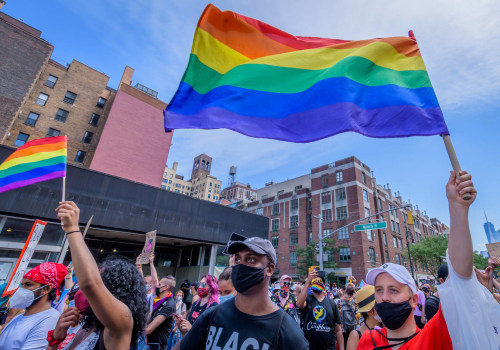
By equipping teachers with the tools to recognize and address bullying, these programs help foster a culture of respect and acceptance. Another successful model is the implementation of peer support groups within schools. Programs like GSA (Gay-Straight Alliance) clubs empower students to advocate for themselves and their peers. These clubs not only provide a safe space for LGBTQIA2S youth to express themselves but also educate their classmates about diversity and inclusion. By promoting dialogue and understanding, GSAs can significantly reduce instances of bullying. Community events such as pride parades and awareness days also serve as powerful platforms for visibility and support.
These events encourage participation from all community members, fostering solidarity with LGBTQIA2S individuals. Local governments can enhance these initiatives by declaring specific days as LGBTQIA2S Awareness Days , which can help to normalize discussions around sexual orientation and gender identity. Moreover, partnerships with local businesses can further strengthen these initiatives. Businesses can participate by sponsoring events or providing safe spaces for LGBTQIA2S individuals. This not only demonstrates community support but also encourages a broader cultural shift towards acceptance. In conclusion, community programs and initiatives are essential in the fight against bullying of LGBTQIA2S individuals.
By actively engaging in these efforts, communities can create safer environments that celebrate diversity and promote understanding among all members.
Empowering Bystanders to Take Action Against Bullying
In the fight against bullying, bystanders play a crucial role. Their actions can either contribute to the problem or help mitigate it. Empowering bystanders to take action against bullying, especially towards lgbtqia2s individuals, is essential for fostering a safe and inclusive environment. Understanding the dynamics of bullying is the first step in empowering bystanders. Often, individuals who witness bullying may feel uncertain about how to respond.They might fear retaliation or worry about making the situation worse. However, it is vital to recognize that silence can be interpreted as complicity. Here are some strategies to encourage bystanders to intervene:
- Educate on the Impact of Bullying: Bystanders should be informed about the emotional and psychological effects of bullying on victims, particularly those from lgbtqia2s communities. Understanding these impacts can motivate individuals to act.
-
Create a Supportive Environment: Communities should foster an atmosphere where standing up against bullying is encouraged and celebrated.
This can be achieved through workshops, discussions, and campaigns that highlight the importance of intervention.
- Teach Safe Intervention Techniques: Bystanders should be equipped with practical strategies for intervening safely. This could include:
- Direct Intervention: If safe, approach the situation calmly and assertively, addressing the bully and supporting the victim.
- Distraction: Create a diversion to interrupt the bullying behavior without direct confrontation.
- Reporting: Encourage bystanders to report incidents to trusted adults or authorities when direct intervention is not feasible.
By fostering a culture of accountability and support, communities can significantly reduce instances of bullying against lgbtqia2s individuals. Ultimately, empowering bystanders is about instilling confidence and providing them with the tools they need to make a difference. When bystanders take action, they not only help those being bullied but also contribute to a broader culture of respect and acceptance within their communities.
Resources for Support and Advocacy for LGBTQIA2S Individuals
For individuals who identify as LGBTQIA2S and are facing bullying, finding the right support and advocacy resources is crucial. Numerous organizations and initiatives are dedicated to providing assistance, fostering community, and promoting awareness. Below is a list of valuable resources that can help:-
The Trevor Project : This organization offers crisis intervention and suicide prevention services to LGBTQIA2S youth.
They provide a 24/7 hotline, online chat, and text support, ensuring that young individuals have access to immediate help.
- GLAAD : GLAAD works to promote LGBTQIA2S acceptance through media advocacy and education. They offer resources for individuals facing discrimination and provide tools for allies to support the community effectively.
- Human Rights Campaign (HRC) : HRC is one of the largest civil rights organizations advocating for LGBTQIA2S equality. They provide educational materials, legal resources, and community engagement opportunities to empower individuals and allies alike.
- PFLAG : As the first and largest organization for LGBTQIA2S people, their parents, families, and allies, PFLAG offers support groups, educational resources, and advocacy training to help combat bullying and discrimination.
- It Gets Better Project : This initiative aims to inspire hope for LGBTQIA2S youth by sharing stories of resilience. Their website features videos and resources that can help individuals feel less isolated in their experiences.
-
Local LGBTQIA2S Centers : Many communities have local centers that provide a safe space for LGBTQIA2S individuals.
These centers often offer counseling services, social events, and educational workshops tailored to the needs of the community.
It is vital for those affected by bullying to know they are not alone and that there are numerous avenues available for assistance and advocacy.
<strong>Conclusion</strong>
In conclusion, addressing the issue of bullying against LGBTQIA2S individuals requires a multifaceted approach that involves the entire community. Throughout this article, we have explored various strategies and insights aimed at reducing bullying behavior and fostering a more inclusive environment for all.Bullying Prevention Summary
- Understanding the unique challenges faced by LGBTQIA2S individuals is crucial. This includes recognizing the emotional and psychological toll that bullying can take on these individuals.
- Engaging in open conversations about bullying with children and adolescents helps to instill values of empathy and respect from an early age.
- Adults must respond swiftly and consistently to any incidents of bullying, reinforcing the message that such behavior is unacceptable.
- Creating safe spaces within schools and community organizations can provide support for LGBTQIA2S youth, allowing them to express themselves without fear of judgment or harassment.
LGBTQIA2S Community Support
The role of community support cannot be overstated. By actively participating in local initiatives aimed at promoting inclusivity, individuals can help create a culture that celebrates diversity rather than one that marginalizes it.
This can include:
- Participating in or organizing awareness campaigns that educate the public about the importance of acceptance and understanding.
- Supporting local LGBTQIA2S organizations that provide resources, advocacy, and safe spaces for individuals facing discrimination.
- Encouraging schools to implement comprehensive anti-bullying policies that specifically address the needs of LGBTQIA2S students.
Key Takeaways
- The fight against bullying is a collective responsibility that requires commitment from parents, educators, and community members alike.
- Awareness and education are powerful tools in combating prejudice and fostering acceptance.
- By standing together as a community, we can create an environment where all individuals, regardless of their sexual orientation or gender identity, feel safe and valued.