Start here
Empowering Social Workers: A Comprehensive Guide to Supporting LGBTQIA2S+ Rights and Causes
Explore how social workers can effectively support LGBTQIA2S+ rights through advocacy, education, and community engagement.

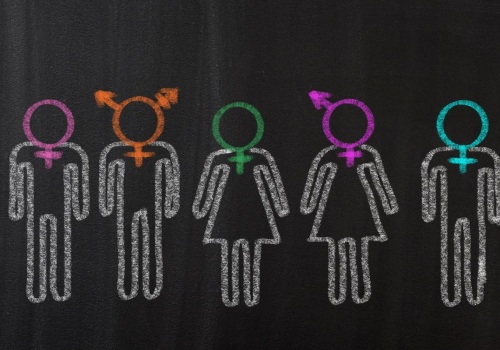
To effectively support the LGBTQIA2S+ community, social workers must first grasp the essential terminology that defines this diverse group. The acronym LGBTQIA2S+ encompasses a wide range of identities and orientations, each representing unique experiences and challenges. Understanding these terms is not merely an academic exercise; it is a vital step in fostering empathy, respect, and effective advocacy for individuals within this community. The term LGBTQIA2S+ itself stands for Lesbian, Gay, Bisexual, Transgender, Queer/Questioning, Intersex, Asexual, Two-Spirit, and the plus sign (+) signifies the inclusion of other sexual orientations and gender identities that may not be explicitly represented in the acronym. Each component of this acronym carries significant meaning:
- Lesbian: Women who are attracted to other women.
- Gay: Typically refers to men attracted to men but can also encompass women who identify as gay.
- Bisexual: Individuals attracted to more than one gender.
- Transgender: People whose gender identity differs from the sex they were assigned at birth.
- Queer/Questioning: An umbrella term for those who do not conform to traditional gender identities or sexual orientations; questioning refers to individuals exploring their identity.
- Intersex: Individuals born with physical sex characteristics that do not fit typical binary notions of male or female bodies.
- Asexual: Individuals who experience little or no sexual attraction to others.
- Two-Spirit: A term used by some Indigenous cultures to describe a person embodying both masculine and feminine spirits.
By familiarizing themselves with these definitions, social workers can create a more inclusive environment that respects individual identities and promotes equitable access to resources and support. Furthermore, recognizing the nuances within these terms allows social workers to better advocate for policies and practices that address the specific needs of LGBTQIA2S+ individuals and families.
The Role of Social Workers in Advocating for LGBTQIA2S+ Rights
Social workers play a crucial role in advocating for the rights of LGBTQIA2S+ individuals, serving as both allies and agents of change within their communities. Their responsibilities extend beyond individual case management to encompass broader advocacy efforts aimed at dismantling systemic barriers that affect LGBTQIA2S+ populations.Understanding the Landscape
To effectively advocate for LGBTQIA2S+ rights, social workers must first understand the unique challenges faced by these communities. This includes recognizing the impact of discrimination, stigma, and violence on mental health and well-being.
Social workers should engage in continuous education about the evolving legal landscape surrounding LGBTQIA2S+ rights, including recent legislation and court rulings that may affect their clients.
Policy Advocacy
One of the primary avenues for social workers to advocate for LGBTQIA2S+ rights is through policy advocacy. This involves:
- Engaging with Local and National Organizations: Collaborating with groups such as the Human Rights Campaign or local LGBTQIA2S+ advocacy organizations can amplify efforts to influence policy changes.
- Lobbying for Inclusive Policies: Social workers can participate in lobbying efforts to promote laws that protect against discrimination in housing, employment, healthcare, and education.
- Testifying at Hearings: Providing testimony at legislative hearings can help raise awareness about the needs and rights of LGBTQIA2S+ individuals.
Community Engagement
In addition to policy advocacy, social workers should focus on community engagement strategies that foster support and solidarity among LGBTQIA2S+ individuals. This can include:
- Creating Safe Spaces: Establishing environments where LGBTQIA2S+ individuals feel safe to express themselves without fear of judgment or discrimination.
- Organizing Educational Workshops: Hosting workshops that educate both LGBTQIA2S+ individuals and the broader community about rights, resources, and support systems available to them.
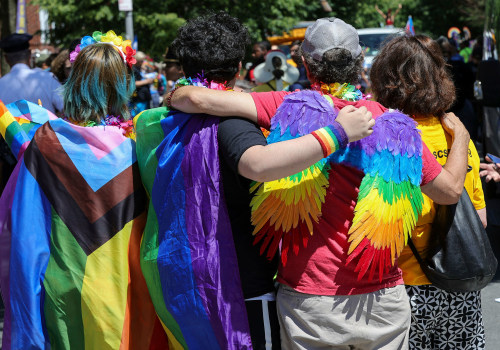
- Participating in Pride Events: Actively participating in Pride parades and other events not only shows support but also helps raise awareness about ongoing issues faced by the community.
Building Alliances
Social workers should also strive to build alliances with other professionals and organizations that share a commitment to social justice. By forming coalitions, they can strengthen their advocacy efforts and create a more unified front against discrimination. The role of social workers in advocating for LGBTQIA2S+ rights is multifaceted and requires a deep commitment to understanding the complexities of identity, culture, and systemic inequality.
Through dedicated advocacy efforts, social workers can help pave the way for a more inclusive society where all individuals are treated with dignity and respect.
Legal Protections for LGBTQIA2S+ Individuals
Understanding the legal protections available to LGBTQIA2S+ individuals is crucial for social workers who aim to advocate effectively for their clients. These protections vary significantly across different jurisdictions, encompassing a range of federal and state laws designed to prevent discrimination and promote equality. At the federal level, the landmark ruling in Bostock v. Clayton County (2020) established that discrimination based on sexual orientation or gender identity is a violation of Title VII of the Civil Rights Act of 1964. This decision marked a significant advancement in the legal recognition of LGBTQIA2S+ rights, ensuring that individuals cannot be fired or discriminated against in employment due to their sexual orientation or gender identity. In addition to employment protections, various federal laws also address issues related to housing and healthcare. The Fair Housing Act prohibits discrimination based on sex, which has been interpreted to include sexual orientation and gender identity.Similarly, the Affordable Care Act includes provisions that protect against discrimination in healthcare settings, ensuring that LGBTQIA2S+ individuals receive equitable treatment. However, while federal protections are essential, they do not cover all aspects of life for LGBTQIA2S+ individuals. Many states have enacted their own anti-discrimination laws that provide additional protections. For instance:
- California: The California Fair Employment and Housing Act (FEHA) offers comprehensive protections against discrimination in employment, housing, and public accommodations based on sexual orientation and gender identity.
- New York: New York's Human Rights Law prohibits discrimination based on sexual orientation and gender identity in various areas, including employment, housing, and education.
- Illinois: The Illinois Human Rights Act protects individuals from discrimination based on sexual orientation and gender identity in employment, housing, and public accommodations.
Social workers must be aware of these disparities and advocate for stronger protections at both state and federal levels. Furthermore, social workers can play a vital role in educating their clients about their rights under existing laws. Providing resources and referrals to legal assistance can empower LGBTQIA2S+ individuals to assert their rights when faced with discrimination. By staying informed about legal developments and advocating for policy changes, social workers can help create a more equitable society for all.
Creating Safe Spaces for LGBTQIA2S+ Individuals
Creating safe spaces for LGBTQIA2S+ individuals is a fundamental responsibility for social workers. These spaces, whether physical or virtual, serve as sanctuaries where individuals can express their identities without fear of discrimination or judgment.The importance of these environments cannot be overstated, as they foster a sense of belonging and community among marginalized groups.
Physical Safe Spaces
- Community Centers: Establishing community centers that specifically cater to LGBTQIA2S+ individuals can provide a welcoming environment. These centers can offer resources such as counseling, support groups, and social events that promote inclusivity.
- Safe Zones in Schools: Social workers can advocate for the implementation of safe zones in educational institutions. Training staff and students to recognize and support LGBTQIA2S+ issues can create an atmosphere where all students feel secure and valued.
- Workplace Inclusivity: Encouraging workplaces to adopt inclusive policies and practices is crucial. This includes diversity training, anti-discrimination policies, and employee resource groups that focus on LGBTQIA2S+ issues.
Virtual Safe Spaces
- Online Support Groups: Social workers can facilitate online forums or support groups where LGBTQIA2S+ individuals can connect with peers.
These platforms allow for sharing experiences and resources in a safe environment.
- Social Media Campaigns: Utilizing social media to promote awareness and acceptance of LGBTQIA2S+ rights can help create virtual communities. Campaigns that highlight personal stories and advocate for equality can foster solidarity.
- Resource Websites: Developing websites that compile resources for LGBTQIA2S+ individuals, including legal assistance, mental health services, and local organizations, can serve as a vital tool for those seeking help.
Cultivating an Inclusive Environment
The creation of safe spaces goes beyond just physical locations; it involves cultivating an inclusive environment where LGBTQIA2S+ individuals feel empowered to be themselves. Social workers play a pivotal role in this process by:
- Advocating for Policy Changes: Supporting policies that protect the rights of LGBTQIA2S+ individuals in various sectors is essential. This includes advocating for anti-discrimination laws and equal access to services.
- Providing Education: Offering training sessions on LGBTQIA2S+ issues for community members, organizations, and institutions can raise awareness and promote understanding.
- Encouraging Allyship: Engaging allies within the community to support LGBTQIA2S+ initiatives helps strengthen the network of support available to these individuals.
Educational Resources and Support Services for LGBTQIA2S+ Communities
Access to educational resources and support services is crucial for the well-being of LGBTQIA2S+ individuals.Social workers play a pivotal role in connecting these individuals with the right resources, ensuring they receive the support they need to thrive. Below are some key resources and organizations that can be beneficial.
Educational Resources
Understanding the unique challenges faced by LGBTQIA2S+ communities is essential for effective advocacy and support. Here are some valuable educational resources:- The Human Rights Campaign (HRC) : This organization offers a wealth of information on LGBTQIA2S+ rights, including guides on how to create inclusive environments in schools and workplaces.
- GLSEN (Gay, Lesbian & Straight Education Network) : GLSEN provides resources aimed at creating safe and affirming schools for LGBTQIA2S+ students. Their materials include lesson plans, research reports, and toolkits for educators.
- PFLAG : As the first and largest organization for LGBTQIA2S+ people, their families, and allies, PFLAG offers educational materials that help foster understanding and acceptance.
Support Services
In addition to educational resources, various organizations provide direct support services to LGBTQIA2S+ individuals:- The Trevor Project : This organization focuses on crisis intervention and suicide prevention for LGBTQIA2S+ youth.
They offer a 24/7 hotline, online chat, and text support services.
- Lambda Legal : Lambda Legal is dedicated to achieving full recognition of the civil rights of LGBTQIA2S+ individuals through litigation, education, and public policy work.
- Local LGBTQIA2S+ Centers : Many cities have community centers that provide a range of services including counseling, social events, and health resources tailored specifically for LGBTQIA2S+ individuals.
Participating in LGBTQIA2S+ Events and Initiatives
Engaging in LGBTQIA2S+ events and initiatives is a vital way for social workers to demonstrate their commitment to supporting the community. These events not only provide visibility but also foster a sense of belonging and acceptance among LGBTQIA2S+ individuals. By participating actively, social workers can help bridge gaps between marginalized communities and the broader society.Pride Parades
are perhaps the most recognized events within the LGBTQIA2S+ calendar.
These vibrant celebrations serve as a platform for advocacy, awareness, and community solidarity. Social workers can take part in Pride parades by:
- Volunteering: Offering time and skills to help organize or facilitate events can significantly impact the success of these gatherings.
- Providing Resources: Setting up booths or information tables to distribute educational materials about LGBTQIA2S+ rights, health resources, and local support services.
- Advocating: Using the platform to speak on issues affecting the LGBTQIA2S+ community, thereby raising awareness among attendees.
- Community Workshops: Hosting or facilitating workshops that focus on topics such as mental health, legal rights, and safe practices can empower community members.
- Support Groups: Organizing or participating in support groups for LGBTQIA2S+ individuals can provide essential emotional support and foster connections.
- Cultural Events: Engaging in film festivals, art shows, or educational panels that celebrate LGBTQIA2S+ culture can help promote understanding and acceptance.
By actively engaging in LGBTQIA2S+ events and initiatives, social workers play a crucial role in advocating for equality and fostering community resilience.
Challenges Faced by LGBTQIA2S+ Individuals and How Social Workers Can Help
LGBTQIA2S+ individuals face a myriad of challenges that can significantly impact their mental health, social well-being, and overall quality of life. Understanding these challenges is essential for social workers who aim to provide effective support and advocacy. One of the most pressing issues is discrimination. Many LGBTQIA2S+ individuals encounter bias in various aspects of life, including employment, housing, and healthcare. This discrimination can lead to feelings of isolation and worthlessness, exacerbating mental health issues such as anxiety and depression.Social workers can play a crucial role in addressing these challenges by advocating for policies that promote equality and inclusivity. Another significant challenge is the lack of access to mental health resources. Many LGBTQIA2S+ individuals may feel uncomfortable seeking help due to fear of stigma or discrimination from healthcare providers. Social workers can help bridge this gap by creating safe spaces where individuals feel comfortable discussing their mental health needs. They can also provide referrals to LGBTQIA2S+-friendly mental health professionals who understand the unique challenges faced by this community. Social isolation is another critical issue.
Many LGBTQIA2S+ individuals experience estrangement from family and friends, leading to loneliness and a lack of support systems. Social workers can facilitate community-building initiatives that connect LGBTQIA2S+ individuals with peers who share similar experiences. This can include organizing support groups, social events, or workshops that foster a sense of belonging. Furthermore, social workers should be aware of the specific challenges faced by marginalized subgroups within the LGBTQIA2S+ community, such as people of color or those with disabilities. Tailoring support strategies to address these unique experiences is vital for effective advocacy. In summary, social workers have a pivotal role in supporting LGBTQIA2S+ individuals by addressing discrimination, improving access to mental health resources, combating social isolation, and recognizing the diverse needs within the community.
By implementing targeted support strategies, social workers can help create a more inclusive society where all individuals are valued and respected.
Frequently Asked Questions about Supporting LGBTQIA2S+ Rights
Supporting LGBTQIA2S+ rights is a multifaceted endeavor that often raises numerous questions. Below are some frequently asked questions that can help clarify the role of social workers and the broader community in advocating for LGBTQIA2S+ individuals.What are the most common challenges faced by LGBTQIA2S+ individuals?
LGBTQIA2S+ individuals often encounter a range of challenges, including:- Discrimination: Many face discrimination in various aspects of life, including employment, housing, and healthcare.
- Social Stigma: Negative societal attitudes can lead to isolation and mental health issues.
- Lack of Legal Protections: In some areas, laws do not adequately protect LGBTQIA2S+ rights, making it difficult for individuals to seek justice.
- Access to Healthcare: Many LGBTQIA2S+ individuals struggle to find healthcare providers who are knowledgeable about their specific needs.
How can social workers effectively advocate for LGBTQIA2S+ rights?
Social workers can play a crucial role in advocating for LGBTQIA2S+ rights by:- Educating Themselves: Understanding the unique challenges faced by LGBTQIA2S+ individuals is essential for effective advocacy.
- Building Alliances: Collaborating with local LGBTQIA2S+ organizations can amplify efforts and provide additional resources.
- Policy Advocacy: Engaging in advocacy at local, state, and national levels to promote laws that protect LGBTQIA2S+ rights.
- Cultural Competency Training: Participating in training programs to better understand the diverse experiences within the LGBTQIA2S+ community.
What resources are available for social workers supporting LGBTQIA2S+ clients?
A variety of resources exist to assist social workers in their efforts to support LGBTQIA2S+ clients, including:- LGBTQIA2S+ Organizations: National and local organizations often provide training, resources, and support networks.
- Legal Aid Services: Many organizations offer legal assistance specifically for LGBTQIA2S+ individuals facing discrimination.
- Online Training Modules: Various platforms provide training on LGBTQIA2S+ issues tailored for social workers.
Conclusion: The Importance of Advocacy and Support for LGBTQIA2S+ Rights
In conclusion, the role of social workers in advocating for and supporting LGBTQIA2S+ rights is not only vital but also transformative. As we have explored throughout this article, social workers are uniquely positioned to influence change at multiple levels—individual, community, and systemic. Their commitment to social justice and equity enables them to champion the rights of LGBTQIA2S+ individuals and communities effectively. One of the key takeaways is the necessity for social workers to engage in continuous education about the diverse experiences and challenges faced by LGBTQIA2S+ individuals.This knowledge equips them to provide informed support and advocacy, ensuring that their practice is inclusive and affirming. By understanding the complexities of gender identity, sexual orientation, and intersectionality, social workers can better address the unique needs of their clients. Moreover, creating safe spaces—both physical and virtual—is essential for fostering a sense of belonging among LGBTQIA2S+ individuals. Social workers can lead initiatives that promote acceptance and understanding within their communities, thereby reducing stigma and discrimination. These safe spaces serve as crucial environments where individuals can express themselves freely without fear of judgment. Advocacy extends beyond individual interactions; it involves pushing for systemic changes that protect the rights of LGBTQIA2S+ individuals.
Social workers must actively participate in policy-making processes, collaborate with organizations like the ACLU, and support legislation that safeguards against discrimination in housing, employment, healthcare, and education. Finally, social workers should not underestimate the power of community involvement. Participating in events such as Pride parades or local advocacy campaigns not only raises awareness but also demonstrates solidarity with LGBTQIA2S+ communities. By volunteering time and resources to organizations dedicated to supporting these individuals, social workers can amplify their impact. In summary, the advocacy and support provided by social workers are crucial in advancing LGBTQIA2S+ rights. By committing to education, creating safe spaces, engaging in policy advocacy, and participating in community initiatives, social workers can play a pivotal role in fostering a more inclusive society where all individuals are treated with dignity and respect.