Start here
The Turning Point of LGBTQIA2S+ Rights in North America: A Comprehensive Overview
Explore the pivotal moments in LGBTQIA2S+ rights in North America, from Stonewall to contemporary challenges and future directions.

The journey toward LGBTQIA2S+ rights in North America is a profound narrative of struggle, resilience, and triumph. This movement encompasses a diverse spectrum of identities, including Lesbian, Gay, Bisexual, Transgender, Queer, Intersex, Asexual, Two-Spirit individuals, and more. Each of these identities contributes to the rich tapestry of human experience and underscores the importance of recognizing and advocating for the rights of all individuals, regardless of their sexual orientation or gender identity. The significance of this movement extends beyond mere legal recognition; it represents a fundamental shift in societal attitudes towards acceptance and equality. Historically, the fight for LGBTQIA2S+ rights has been marked by pivotal moments that have shaped public perception and policy.
From the early days of clandestine gatherings to the bold protests that erupted during the Stonewall Riots in 1969, each event has played a crucial role in raising awareness about the injustices faced by the community. These milestones not only highlight the challenges endured but also celebrate the victories achieved through collective action and advocacy. The legalization of same-sex marriage in 2015 stands as a testament to this progress, symbolizing a significant victory in the ongoing quest for equality. In contemporary society, the relevance of From the early days of clandestine gatherings to the bold protests that erupted during the Stonewall Riots in 1969, each event has played a crucial role in raising awareness about the injustices faced by the community. These milestones not only highlight the challenges endured but also celebrate the victories achieved through collective action and advocacy. The legalization of same-sex marriage in 2015 stands as a testament to this progress, symbolizing a significant victory in the ongoing quest for equality. In contemporary society, the relevance of LGBTQIA2S+ rights continues to grow as discussions around gender identity and sexual orientation become more prominent. The movement has evolved to address not only legal rights but also social acceptance and cultural representation.
As we delve deeper into this topic, it becomes essential to explore the historical context that has shaped current realities and to recognize the ongoing challenges that still exist. Understanding this history is vital for fostering empathy and support for those who continue to fight for their rightful place in society.
Historical Context: Pre-Stonewall Era
Before the pivotal events of the Stonewall Riots in 1969, the LGBTQIA2S+ community in North America faced a landscape marked by severe discrimination and societal stigma. The early to mid-20th century was characterized by a pervasive atmosphere of intolerance, where being part of the LGBTQIA2S+ community was not only socially unacceptable but also legally punishable. During this period, homosexuality was classified as a mental illness, and many individuals were subjected to conversion therapies aimed at 'curing' their sexual orientation. These practices were often brutal and dehumanizing, reflecting the broader societal belief that LGBTQIA2S+ identities were deviant.Laws criminalizing same-sex relationships were widespread, with many states enforcing sodomy laws that could lead to imprisonment. In addition to legal challenges, LGBTQIA2S+ individuals faced significant social ostracism. Families often disowned members who identified as queer or transgender, leading to homelessness and economic instability for many. Employment discrimination was rampant; individuals could be fired simply for being suspected of being part of the LGBTQIA2S+ community. This systemic discrimination created an environment where many felt compelled to hide their identities. Despite these challenges, early activism began to emerge in response to the oppressive conditions.
Organizations such as the Mattachine Society, founded in 1950, and the Daughters of Bilitis, established in 1955, played crucial roles in advocating for LGBTQIA2S+ rights. These groups sought to provide support networks and raise awareness about the injustices faced by the community. They organized meetings and published newsletters that educated both members of the LGBTQIA2S+ community and the general public about issues affecting them. Moreover, events like the 1965 Sip-In at Julius’ Bar in New York City marked significant acts of defiance against discriminatory practices. Activists openly challenged laws that prohibited serving alcohol to homosexuals, drawing attention to the injustices they faced.
Such actions laid the groundwork for more organized resistance and set the stage for the explosive activism that would follow at Stonewall. The pre-Stonewall era was thus a time of both profound struggle and burgeoning resistance within the LGBTQIA2S+ community. The seeds of activism planted during this period would eventually blossom into a powerful movement demanding equality and recognition, culminating in the historic events of June 1969.
The Stonewall Riots: Catalyst for Change
The events of June 28, 1969, at the Stonewall Inn in New York City marked a pivotal moment in the history of the LGBTQIA2S+ rights movement. The Stonewall Riots were not merely a reaction to a police raid; they represented a culmination of years of oppression and discrimination faced by the LGBTQIA2S+ community. Prior to this event, societal norms largely marginalized individuals who identified as anything other than heterosexual or cisgender. The events of June 28, 1969, at the Stonewall Inn in New York City marked a pivotal moment in the history of the LGBTQIA2S+ rights movement. The Stonewall Riots were not merely a reaction to a police raid; they represented a culmination of years of oppression and discrimination faced by the LGBTQIA2S+ community. Prior to this event, societal norms largely marginalized individuals who identified as anything other than heterosexual or cisgender.The Stonewall Inn, a haven for many in the community, became the battleground for a fight against systemic injustice. On that fateful night, patrons of the Stonewall Inn, including drag queens, transgender individuals, and gay men and women, decided to resist the police's attempts to arrest them. This act of defiance was fueled by years of frustration over constant harassment and discrimination. As tensions escalated, what began as a simple raid transformed into a series of protests that lasted for several days. The riots galvanized the community and drew attention to the struggles faced by LGBTQIA2S+ individuals. The significance of the Stonewall Riots extends far beyond that single night.
They served as a catalyst for change, inspiring countless individuals to advocate for their rights and demand equality. In the aftermath of the riots, numerous LGBTQIA2S+ organizations emerged, including the Gay Liberation Front and later groups focused on specific issues such as health care and legal rights. These organizations played crucial roles in mobilizing activism and raising awareness about LGBTQIA2S+ issues. Moreover, the Stonewall Riots helped shift public perception regarding LGBTQIA2S+ individuals. The visibility gained from these events encouraged many people to come out and share their stories, fostering a sense of solidarity within the community.
This newfound visibility was instrumental in changing attitudes and paving the way for future advancements in LGBTQIA2S+ rights. Today, June 28 is commemorated as Pride Day, celebrating not only the legacy of Stonewall but also the ongoing fight for equality. The riots are remembered as a turning point that ignited a global movement advocating for LGBTQIA2S+ rights. While significant progress has been made since that night in 1969, it is essential to recognize that the struggle continues. The spirit of resistance that emerged from Stonewall remains alive today as activists work tirelessly to ensure that all members of the LGBTQIA2S+ community are treated with dignity and respect.
The Rise of LGBTQIA2S+ Activism Post-Stonewall
The aftermath of the Stonewall Riots in 1969 marked a significant turning point for the LGBTQIA2S+ community, igniting a wave of activism that would reshape the landscape of civil rights in North America.The riots not only galvanized individuals but also led to the formation of numerous organizations dedicated to advocating for LGBTQIA2S+ rights. One of the earliest and most influential groups to emerge was the Gay Liberation Front (GLF) , founded shortly after the riots. The GLF aimed to promote a radical agenda that sought not only legal equality but also societal acceptance. Their approach was characterized by direct action and public demonstrations, which helped to raise awareness about the struggles faced by LGBTQIA2S+ individuals. Another pivotal organization was the Human Rights Campaign (HRC) , established in 1980. Initially focused on lobbying for LGBTQIA2S+ rights at the federal level, HRC has grown into one of the largest civil rights organizations in the United States.
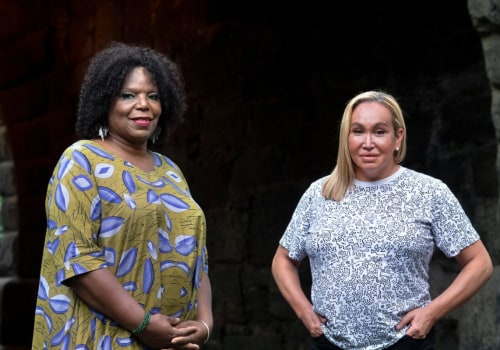
Their efforts have been instrumental in advocating for policies that protect against discrimination based on sexual orientation and gender identity. Key figures emerged during this period, including Marsha P. Johnson and Sylvia Rivera , who were not only activists but also trans women of color who played crucial roles in the early LGBTQIA2S+ rights movement. Their work highlighted the intersectionality within the community, emphasizing that issues of race, gender identity, and sexual orientation are interconnected. In addition to these organizations and leaders, grassroots movements began to flourish across North America. Local collectives and advocacy groups sprang up, focusing on specific issues such as health care access for LGBTQIA2S+ individuals, anti-discrimination laws, and safe spaces for youth.
These grassroots efforts were vital in creating a sense of community and solidarity among diverse members of the LGBTQIA2S+ spectrum. The rise of activism post-Stonewall laid the groundwork for significant milestones in LGBTQIA2S+ rights, including the decriminalization of homosexuality in various states and the eventual legalization of same-sex marriage nationwide. The legacy of this activism continues to inspire new generations to fight for equality and justice.
Legal Milestones: Achievements in LGBTQIA2S+ Rights
The journey towards legal recognition and protection of LGBTQIA2S+ rights in North America has been marked by significant milestones that reflect the evolving societal attitudes and the relentless advocacy of the community. These legal achievements not only symbolize progress but also serve as a foundation for ongoing efforts to secure equality and justice for all individuals, regardless of their sexual orientation or gender identity. One of the most monumental legal victories for the LGBTQIA2S+ community was the legalization of same-sex marriage. This landmark decision culminated in the Supreme Court case Obergefell v.Hodges
, decided on June 26, 2015. The Court ruled that same-sex marriage is a constitutional right under the Fourteenth Amendment, which guarantees equal protection under the law. This ruling not only allowed same-sex couples to marry in all 50 states but also affirmed their right to enjoy the same legal benefits and protections as heterosexual couples. The decision was celebrated as a historic moment, marking a significant shift in public policy and societal acceptance. In addition to marriage equality, various anti-discrimination laws have been enacted to protect LGBTQIA2S+ individuals from discrimination in multiple areas, including employment, housing, and public accommodations. The Employment Non-Discrimination Act (ENDA), although not passed at the federal level, has inspired numerous states to implement their own protections against workplace discrimination based on sexual orientation and gender identity.As of now, over 20 states have enacted comprehensive laws that prohibit such discrimination, reflecting a growing recognition of the need for equitable treatment. Furthermore, the Equality Act , introduced in Congress, aims to expand existing civil rights laws to include protections for LGBTQIA2S+ individuals at the federal level. If passed, this legislation would provide comprehensive anti-discrimination protections across various sectors, ensuring that no one can be denied services or opportunities based on their sexual orientation or gender identity. These legal milestones are not just victories; they represent a broader cultural shift towards acceptance and inclusion. However, challenges remain. Many states still lack comprehensive protections for LGBTQIA2S+ individuals, and discriminatory practices persist in various forms.
The ongoing advocacy for legal reforms is crucial to ensure that all members of the LGBTQIA2S+ community can live freely and authentically without fear of discrimination or persecution. As we reflect on these achievements, it is essential to recognize that while significant progress has been made, the fight for full equality continues. Each legal milestone serves as a reminder of the resilience and determination of those who have fought tirelessly for their rights and the rights of future generations.
Challenges and Setbacks: Ongoing Struggles for Equality
Despite significant advancements in the fight for LGBTQIA2S+ rights, the community continues to face numerous challenges and setbacks that hinder the pursuit of true equality. Discrimination remains pervasive in various aspects of life, including employment, healthcare, and housing. Many individuals still encounter bias based on their sexual orientation or gender identity, which can lead to systemic inequalities. One of the most pressing issues is workplace discrimination.Although laws have been enacted to protect against such discrimination, many LGBTQIA2S+ individuals report experiencing harassment or unfair treatment at work. According to a survey conducted by the Human Rights Campaign, nearly 50% of LGBTQIA2S+ employees have faced discrimination in their workplace. This not only affects their mental health but also limits their career advancement opportunities. Healthcare access is another critical area where challenges persist. Many LGBTQIA2S+ individuals encounter barriers when seeking medical care, including a lack of knowledgeable providers and discriminatory practices within healthcare systems.
Transgender individuals, in particular, often face difficulties in accessing gender-affirming care, which can lead to negative health outcomes. Housing discrimination is also a significant concern. Studies show that LGBTQIA2S+ individuals are more likely to experience discrimination when seeking rental properties or purchasing homes. This can result in higher rates of homelessness among LGBTQIA2S+ youth, who are disproportionately affected by family rejection and societal stigma. Moreover, the ongoing political climate poses additional threats to the rights of the LGBTQIA2S+ community. Legislative efforts aimed at rolling back protections for LGBTQIA2S+ individuals have emerged in various states, targeting areas such as healthcare access for transgender youth and anti-discrimination laws.
These actions not only undermine progress but also perpetuate a culture of fear and exclusion. In conclusion, while the journey toward equality has seen remarkable milestones, the ongoing struggles faced by the LGBTQIA2S+ community highlight that there is still much work to be done. Advocacy and awareness are crucial in addressing these challenges and ensuring that all members of the community can live authentically and without fear of discrimination.
The Role of Intersectionality in LGBTQIA2S+ Rights
Intersectionality plays a crucial role in understanding the diverse experiences of individuals within the LGBTQIA2S+ community. This concept, which originated from feminist theory, emphasizes that various social identities—such as race, gender, sexual orientation, and socioeconomic status—interact to create unique modes of discrimination and privilege. Recognizing intersectionality is essential for fostering inclusivity in advocacy efforts aimed at advancing LGBTQIA2S+ rights. For instance, a Black transgender woman may face different challenges compared to a white gay man.The former may encounter compounded discrimination not only based on her gender identity but also due to her race. This highlights the necessity for advocacy that addresses the specific needs of marginalized groups within the LGBTQIA2S+ spectrum. By acknowledging these differences, activists can create more effective strategies that resonate with a broader audience.
The Importance of Diverse Identities
The LGBTQIA2S+ acronym itself reflects a wide array of identities, each with its own set of experiences and challenges. For example:- Lesbian and Gay Individuals: Often face societal stigma and discrimination based on their sexual orientation.
- Transgender Individuals: Encounter unique hurdles related to gender identity, including healthcare access and legal recognition.
- Intersex Individuals: May experience medicalization and lack of understanding regarding their biological differences.
- Asexual Individuals: Often struggle for visibility and acceptance within both the broader society and the LGBTQIA2S+ community.
Activists must strive to create spaces where all identities are represented and valued.
Inclusivity in Activism
Inclusivity in activism is not merely about representation; it involves actively listening to and addressing the concerns of all community members. This can be achieved through:- Community Engagement: Involving individuals from various backgrounds in decision-making processes ensures that advocacy efforts are comprehensive and relevant.
- Education and Awareness: Raising awareness about intersectionality can help dismantle stereotypes and foster empathy among allies.
- Coalition Building: Collaborating with other marginalized groups can strengthen movements by highlighting shared struggles against oppression.
Cultural Impact: Representation in Media and Society
The representation of the LGBTQIA2S+ community in media and popular culture has undergone a significant transformation over the past few decades. This evolution has not only shaped public perception but has also played a crucial role in fostering acceptance and understanding of diverse identities.As visibility increases, so does the opportunity for dialogue and education, which are essential for dismantling stereotypes and prejudices. Historically, LGBTQIA2S+ individuals were often marginalized or misrepresented in film, television, and literature. Characters were frequently depicted through a narrow lens, reinforcing harmful stereotypes that contributed to societal stigma. However, as activism gained momentum, particularly following pivotal events like the Stonewall Riots, creators began to challenge these narratives. Today, we see a broader spectrum of representation across various media platforms:
- Television: Shows like Pose and Schitt's Creek have brought LGBTQIA2S+ stories to mainstream audiences, showcasing the richness of queer experiences and the complexities of identity.
- Film: Movies such as Moonlight and Call Me by Your Name have received critical acclaim for their authentic portrayals of LGBTQIA2S+ relationships, highlighting the emotional depth and humanity of their characters.
- Literature: The rise of LGBTQIA2S+ authors has led to a wealth of literature that explores diverse narratives, allowing readers to engage with stories that reflect their own experiences or broaden their understanding of others.
For those outside the community, exposure to diverse stories can challenge preconceived notions and encourage empathy. As a result, representation in media serves as a powerful tool for social change. Moreover, the impact of LGBTQIA2S+ representation extends beyond entertainment; it influences public policy and societal attitudes. As more people engage with LGBTQIA2S+ narratives, there is a growing demand for equality and justice in various spheres, including healthcare, education, and employment. This cultural shift is evident in the increasing support for LGBTQIA2S+ rights across different demographics. In conclusion, the cultural impact of LGBTQIA2S+ representation in media is profound and multifaceted.
By amplifying diverse voices and stories, we not only celebrate the richness of human experience but also pave the way for a more inclusive society where everyone can thrive.
Future Directions: What Lies Ahead for LGBTQIA2S+ Rights?
As we look toward the future of LGBTQIA2S+ rights, it is essential to recognize both the progress made and the challenges that lie ahead. The journey toward equality has been marked by significant milestones, yet the road is far from complete. Understanding the upcoming challenges and opportunities will be crucial for advocates and allies alike. One of the most pressing issues facing the LGBTQIA2S+ community is the ongoing struggle against discrimination. Despite legal advancements, many individuals still encounter bias in various aspects of life, including employment, healthcare, and housing.For instance, while same-sex marriage is now legal, many states lack comprehensive anti-discrimination laws that protect LGBTQIA2S+ individuals from being fired or denied services based on their sexual orientation or gender identity. Moreover, the rise of anti-LGBTQIA2S+ legislation in certain regions poses a significant threat to hard-won rights. Bills targeting transgender youth, restricting access to gender-affirming care, and limiting discussions about sexual orientation and gender identity in schools are becoming increasingly common. These legislative efforts not only undermine the rights of individuals but also perpetuate harmful stereotypes and stigmas. In addition to legislative challenges, societal attitudes toward LGBTQIA2S+ individuals continue to evolve. While acceptance has grown in many areas, pockets of resistance remain.
Advocacy efforts must focus on education and awareness to combat misinformation and foster understanding within communities. Engaging allies in these conversations is vital for creating a more inclusive society. Looking ahead, there are also opportunities for growth within the movement. The increasing visibility of LGBTQIA2S+ individuals in media and politics can inspire future generations to advocate for their rights. Representation matters; when young people see leaders who reflect their identities, it empowers them to envision a future where they can thrive without fear of discrimination. Furthermore, intersectionality must remain at the forefront of advocacy efforts.
The LGBTQIA2S+ community is diverse, encompassing various races, ethnicities, abilities, and socioeconomic backgrounds. Addressing the unique challenges faced by marginalized groups within the community will strengthen the movement as a whole. In conclusion, while the future of LGBTQIA2S+ rights presents both challenges and opportunities, it is imperative for individuals to remain engaged and proactive. Advocacy for future generations requires a commitment to education, allyship, and intersectional approaches that uplift all voices within the community. Together, we can continue to push for progress and ensure that every individual is treated with dignity and respect.
Conclusion: Reflecting on Progress and Future Goals
As we reflect on the journey of the LGBTQIA2S+ community, it is essential to recognize the significant milestones that have shaped our current landscape.From the courageous stand taken during the Stonewall Riots to the landmark legalization of same-sex marriage, each event has contributed to a broader understanding and acceptance of diverse identities. These achievements are not merely historical footnotes; they represent the tireless efforts of countless activists and allies who have fought for justice and equality. However, while we celebrate these victories, it is crucial to acknowledge that the fight for full equality is far from over. Many members of the LGBTQIA2S+ community continue to face systemic discrimination, violence, and marginalization. Issues such as healthcare access, employment discrimination, and legal protections for transgender individuals remain pressing concerns that demand our attention. To ensure that progress continues, we must commit to ongoing advocacy and education.
This includes:
- Raising Awareness: Engaging in conversations about LGBTQIA2S+ issues can help dismantle stereotypes and foster understanding within our communities.
- Supporting Legislation: Advocating for laws that protect against discrimination and promote equality is vital. This includes supporting policies that address the unique needs of marginalized groups within the LGBTQIA2S+ spectrum.
- Empowering Voices: Amplifying the voices of those who are often overlooked, such as Indigenous Two-Spirit individuals and people of color within the LGBTQIA2S+ community, is essential for a truly inclusive movement.
Together, let us strive for a world where equality is not just an aspiration but a reality for all.